
Privacy-Preserving Structureless Visual Localization via Image Obfuscation
arXiv cs.CV / 4/15/2026
📰 NewsSignals & Early TrendsIdeas & Deep AnalysisModels & Research
Key Points
- The paper proposes privacy-preserving visual localization using a simple structureless pipeline combined with image obfuscation (e.g., converting RGB images to semantic segmentations).
- It argues that modern feature matchers can localize correctly even when query images are obfuscated, requiring no special modifications to existing structureless matching pipelines.
- The approach is designed to protect both the query images sent to a server and the scene representations stored remotely, reducing leakage risk inherent in cloud-based localization.
- Experiments across multiple datasets indicate the method reaches state-of-the-art pose accuracy among privacy-preserving localization approaches, while keeping the implementation relatively straightforward.
Related Articles

Black Hat Asia
AI Business

The Complete Guide to Better Meeting Productivity with AI Note-Taking
Dev.to

5 Ways Real-Time AI Can Boost Your Sales Call Performance
Dev.to
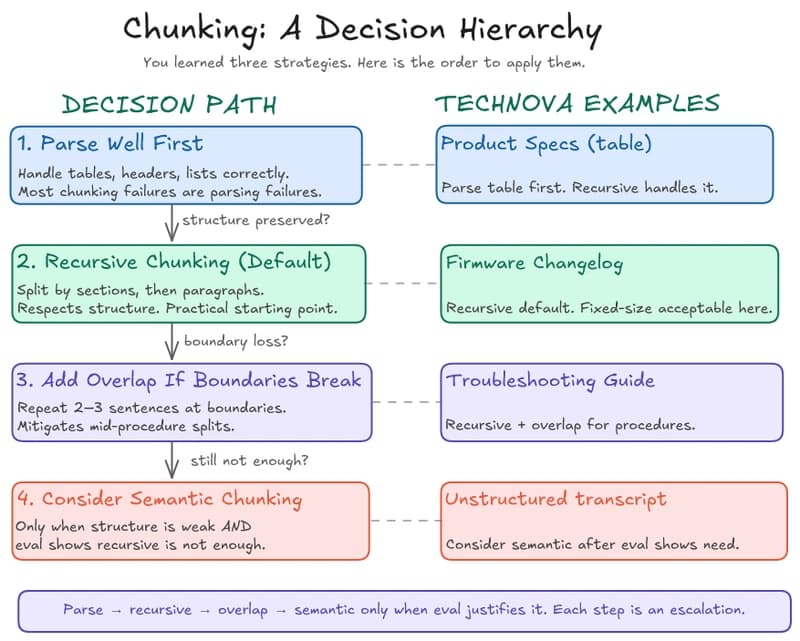
RAG in Practice — Part 4: Chunking, Retrieval, and the Decisions That Break RAG
Dev.to
Why dynamically routing multi-timescale advantages in PPO causes policy collapse (and a simple decoupled fix) [R]
Reddit r/MachineLearning


