
CCL-D: A High-Precision Diagnostic System for Slow and Hang Anomalies in Large-Scale Model Training
arXiv cs.AI / 5/7/2026
💬 OpinionDeveloper Stack & InfrastructureIdeas & Deep AnalysisModels & Research
Key Points
- The paper introduces CCL-D, a high-precision diagnostic system aimed at detecting and localizing slow/hang communication anomalies during large-scale distributed model training.
- CCL-D combines a rank-level real-time probe with an intelligent decision analyzer that uses lightweight distributed tracing to compute cross-layer anomaly metrics from communication traffic.
- The analyzer automates both anomaly detection and root-cause localization, enabling precise identification of the faulty GPU rank responsible for the slowdown/hang.
- In a 4,000-GPU cluster deployment over one year, CCL-D delivered near-complete coverage of known slow/hang anomalies and typically pinpointed affected ranks within 6 minutes, outperforming prior approaches.
Related Articles

What Is an MCP Gateway — and Why Do Enterprise AI Teams Need One in 2026?
Dev.to
Decoupled DiLoCo: A new frontier for resilient, distributed AI training
Dev.to

Are You Still Coding — or Just an AI Manager Now?
Dev.to
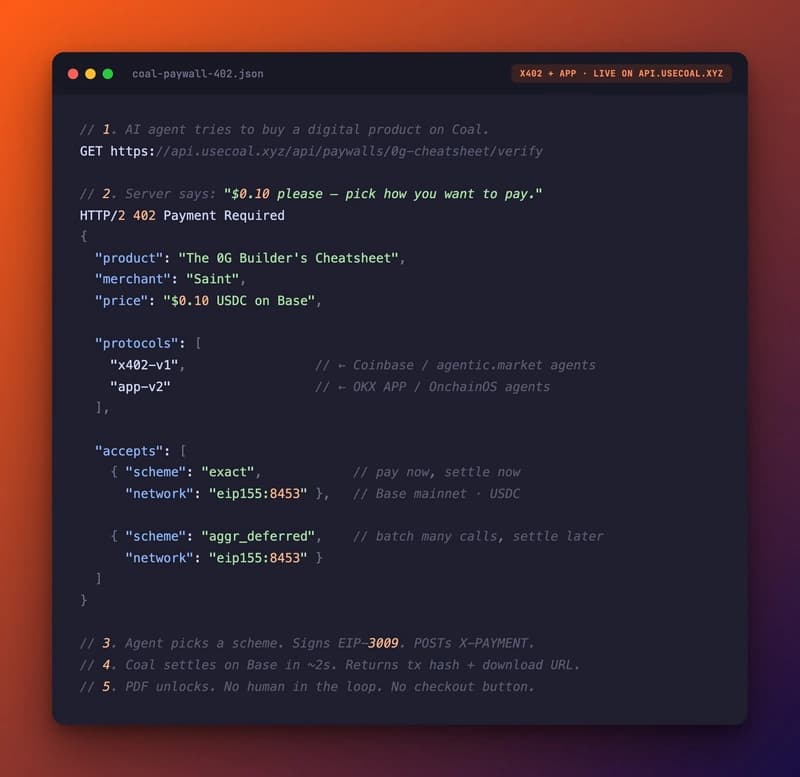
Why AI agents still can't buy anything yet
Dev.to
NetStacks: An Open-Source AI-Powered SSH Terminal That Thinks With You
Dev.to


