
Multimodal Model for Computational Pathology:Representation Learning and Image Compression
arXiv cs.CV / 3/20/2026
💬 OpinionIdeas & Deep AnalysisModels & Research
Key Points
- The paper reviews recent advances in multimodal computational pathology, addressing the challenges of analyzing gigapixel WSIs and integrating visual, clinical, and structured data.
- It outlines four research directions: self-supervised representation learning with structure-aware token compression for WSIs; multimodal data generation and augmentation; parameter-efficient adaptation and few-shot learning; and multi-agent collaborative reasoning for trustworthy diagnosis.
- Token compression is highlighted as enabling cross-scale modeling and more efficient processing of ultra-high-resolution images, supporting better cross-scale reasoning.
- The authors call for unified multimodal frameworks that combine high-resolution pathology images with biomedical knowledge to improve interpretability, transparency, and safe AI-assisted diagnosis, and they discuss open challenges.
Related Articles
Day 10: 230 Sessions of Hustle and It Comes Down to One Person Reading a Document
Dev.to

5 Dangerous Lies Behind Viral AI Coding Demos That Break in Production
Dev.to
Two bots, one confused server: what Nimbus revealed about AI agent identity
Dev.to
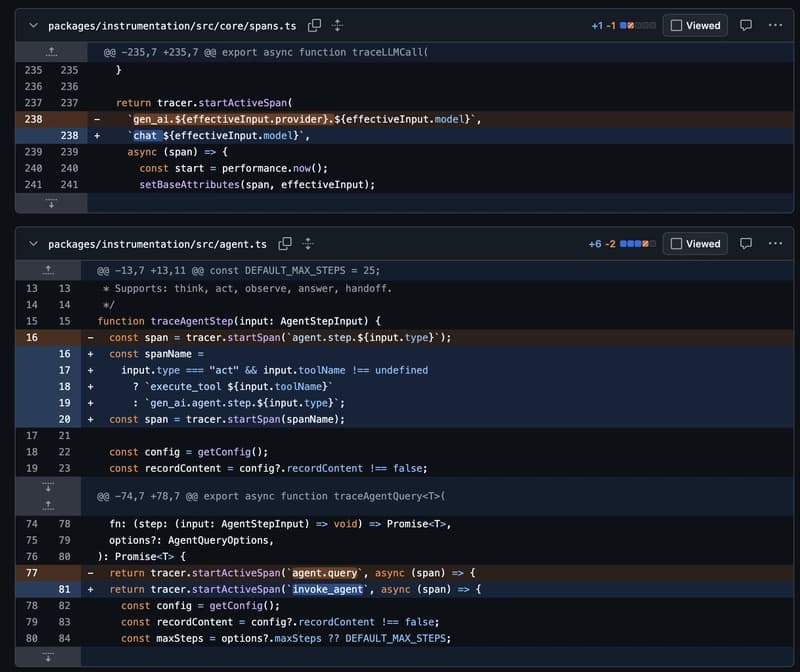
OpenTelemetry just standardized LLM tracing. Here's what it actually looks like in code.
Dev.to
PIXIU: A Large Language Model, Instruction Data and Evaluation Benchmark forFinance
Dev.to


