
Human-Aligned Decision Transformers for heritage language revitalization programs under real-time policy constraints
Dev.to / 6/16/2026
💬 OpinionIdeas & Deep AnalysisTools & Practical UsageModels & Research
Key Points
- The article argues that standard next-token language modeling often fails for endangered heritage languages due to limited data and missing cultural pragmatics.
- It proposes adapting Decision Transformers to treat language generation as sequential decision-making driven by “returns-to-go,” enabling better planning under constraints.
- Policy and cultural requirements (e.g., prioritizing dialects, balancing purity vs. practicality, limiting modern loanwords) can be encoded as reward functions or penalties.
- The approach also incorporates human feedback from elders and speakers to align generated conversational content with cultural prestige and context.
- The author plans to share the end-to-end journey—failures, breakthroughs, and code—of applying DTs to Māori revitalization under real-time policy constraints.
Continue reading this article on the original site.
Read original →Related Articles

Black Hat USA
AI Business
Your AI Provider Is a Single Point of Failure
Dev.to
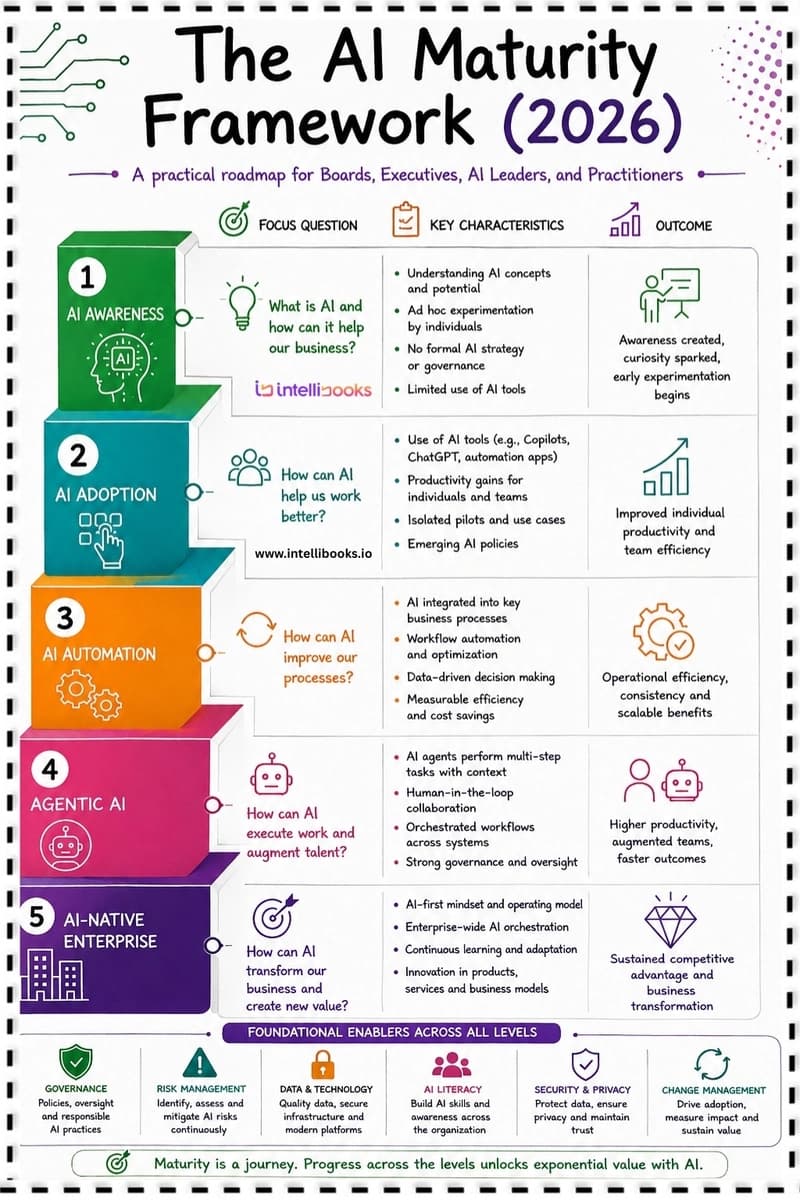
Intellibooks AI Maturity Framework 2026: The Roadmap from AI Awareness to AI-Native Enterprise
Dev.to
Anthropic API: Claude, Tool Use, and Structured Outputs in Apps
Dev.to
Anthropic Claude Pricing: Free vs Paid Explained 2026
Dev.to


