
A Decoupled Human-in-the-Loop System for Controlled Autonomy in Agentic Workflows
arXiv cs.AI / 4/28/2026
📰 NewsDeveloper Stack & InfrastructureIdeas & Deep AnalysisModels & Research
Key Points
- The paper argues that as AI agents take on more decision-making in agentic workflows, systems need safer, more controlled autonomy with effective human oversight.
- It proposes a decoupled Human-in-the-Loop (HITL) architecture that treats human oversight as an independent component rather than embedding it inside application logic.
- The design separates human interaction management from application workflows using explicit interfaces and a structured execution model.
- It introduces a framework to formalize HITL integration across four dimensions: intervention conditions, role resolution, interaction semantics, and communication channels.
- By aligning HITL with emerging agent communication protocols, the work enables protocol-level implementation to support scalable governance and progressively increasing autonomy.
Related Articles
LLMs will be a commodity
Reddit r/artificial
Indian Developers: How to Build AI Side Income with $0 Capital in 2026
Dev.to

What it feels like to have to have Qwen 3.6 or Gemma 4 running locally
Reddit r/LocalLLaMA
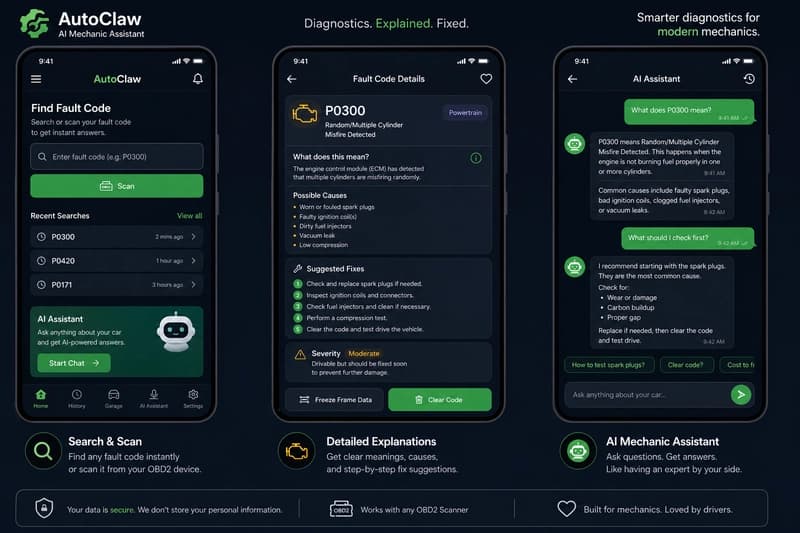
From Fault Codes to Smart Fixes: How Google Cloud NEXT ’26 Inspired My AI Mechanic Assistant
Dev.to

Dex lands $5.3M to grow its AI-driven talent matching platform
Tech.eu


