
OmniVLA-RL: A Vision-Language-Action Model with Spatial Understanding and Online RL
arXiv cs.RO / 4/21/2026
📰 NewsDeveloper Stack & InfrastructureModels & Research
Key Points
- The paper introduces OmniVLA-RL, a new vision-language-action model aimed at improving embodied AI performance despite known issues in spatial perception, multimodal fusion, and reinforcement learning stability.
- It uses a Mix-of-Transformers (MoT) architecture that combines specialized “reasoning,” “spatial,” and “action” experts to better integrate multimodal information for action selection.
- To improve action precision and training robustness, the authors propose Flow-GSPO, which reformulates flow matching as an SDE-based process and combines it with Group Segmented Policy Optimization (GSPO).
- Experiments on the LIBERO and LIBERO-Plus benchmarks show OmniVLA-RL outperforming prior state-of-the-art approaches, addressing core limitations of existing VLA models.
- Overall, the work advances the design and training pipeline of VLA systems by coupling spatial understanding improvements with more stable online reinforcement learning.
💡 Insights using this article
This article is featured in our daily AI news digest — key takeaways and action items at a glance.
Related Articles
A practical guide to getting comfortable with AI coding tools
Dev.to
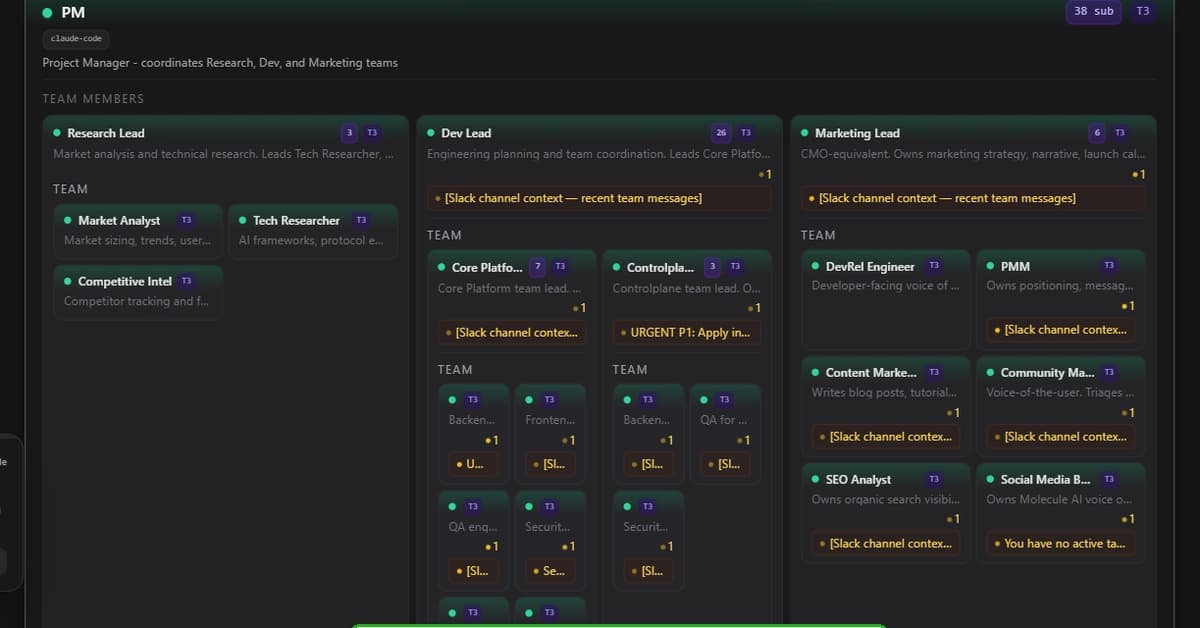
We built it during the NVIDIA DGX Spark Full-Stack AI Hackathon — and it ended up winning 1st place overall 🏆
Dev.to

Stop Losing Progress: Setting Up a Pro Jupyter Workflow in VS Code (No More Colab Timeouts!)
Dev.to
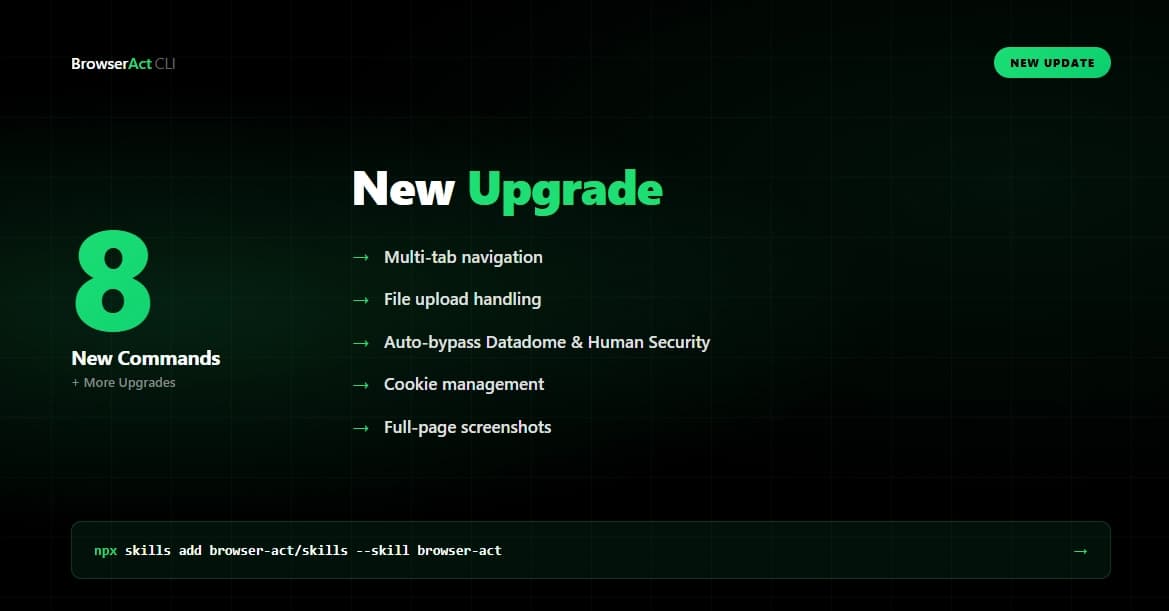
🚀 Major BrowserAct CLI Update
Dev.to
Building AgentOS: Why I’m Building the AWS Lambda for Insurance Claims
Dev.to


