
Retrieval-Reasoning Large Language Model-based Synthetic Clinical Trial Generation
arXiv cs.CL / 3/27/2026
💬 OpinionIdeas & Deep AnalysisTools & Practical UsageModels & Research
Key Points
- The paper introduces a Retrieval-Reasoning framework that uses few-shot prompting with an LLM to generate synthetic clinical trial reports with binary success/failure outcomes.
- It combines a retrieval module to ground generation in relevant ClinicalTrials.gov data and a reasoning module to produce domain-consistent justifications.
- Experiments on real trials from ClinicalTrials.gov show that the synthetic trials can augment real datasets effectively.
- The authors fine-tune a BioBERT classifier using synthetic data, real data, or mixtures, finding that hybrid fine-tuning improves clinical trial outcome prediction performance.
- The work argues that LLM-generated synthetic trials could support privacy-preserving data augmentation for clinical research, and releases accompanying code on GitHub.
広告
Related Articles
![[Boost]](/_next/image?url=https%3A%2F%2Fmedia2.dev.to%2Fdynamic%2Fimage%2Fwidth%3D800%252Cheight%3D%252Cfit%3Dscale-down%252Cgravity%3Dauto%252Cformat%3Dauto%2Fhttps%253A%252F%252Fdev-to-uploads.s3.amazonaws.com%252Fuploads%252Fuser%252Fprofile_image%252F3618325%252F470cf6d0-e54c-4ddf-8d83-e3db9f829f2b.jpg&w=3840&q=75)
[Boost]
Dev.to

Managing LLM context in a real application
Dev.to

Got My 39-Agent System Audited Live. Here's What the Maturity Scorecard Revealed.
Dev.to

OpenAI Killed Sora — Here's Your 10-Minute Migration Guide (Free API)
Dev.to
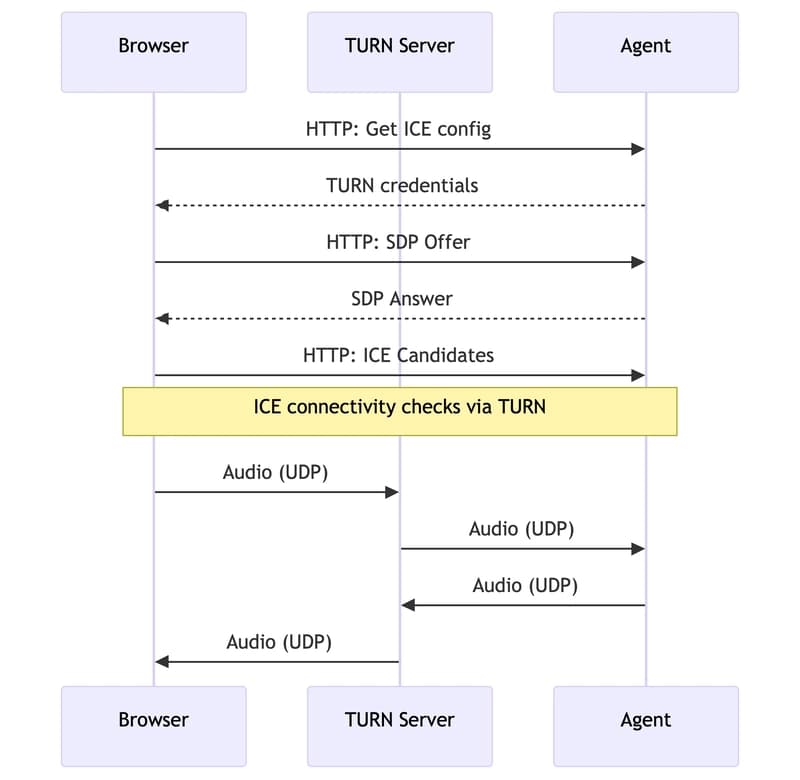
Switching my AI voice agent from WebSocket to WebRTC — what broke and what I learned
Dev.to


