
Pretext Matters: An Empirical Study of SSL Methods in Medical Imaging
arXiv cs.CV / 3/25/2026
💬 OpinionSignals & Early TrendsIdeas & Deep AnalysisModels & Research
Key Points
- The study evaluates how different self-supervised learning (SSL) objectives affect representation quality in medical imaging, focusing on joint embedding architectures (JEAs) and joint embedding predictive architectures (JEPAs) versus pixel reconstruction methods.
- Using two modalities with distinct noise characteristics—ultrasound and histopathology—the authors find that the best SSL method depends on how clinically relevant signal is organized spatially.
- For spatially localized informative signals in histopathology, JEAs outperform due to their view-invariance objective, while JEPAs are better for globally structured diagnostically relevant information such as liver ultrasound anatomy.
- The conclusions are strengthened by independent validation from board-certified radiologists and pathologists, linking SSL objective choice to clinical relevance of learned features.
- The paper proposes a practical framework for selecting SSL objectives that match the structural and noise properties of each medical imaging modality.
Related Articles

Lemonade 10.0.1 improves setup process for using AMD Ryzen AI NPUs on Linux
Reddit r/artificial
The 2026 Developer Showdown: Claude Code vs. Google Antigravity
Dev.to

Google March 2026 Spam Update: SEO Impact and What to Do Now | MKDM
Dev.to
CRM Development That Drives Growth
Dev.to
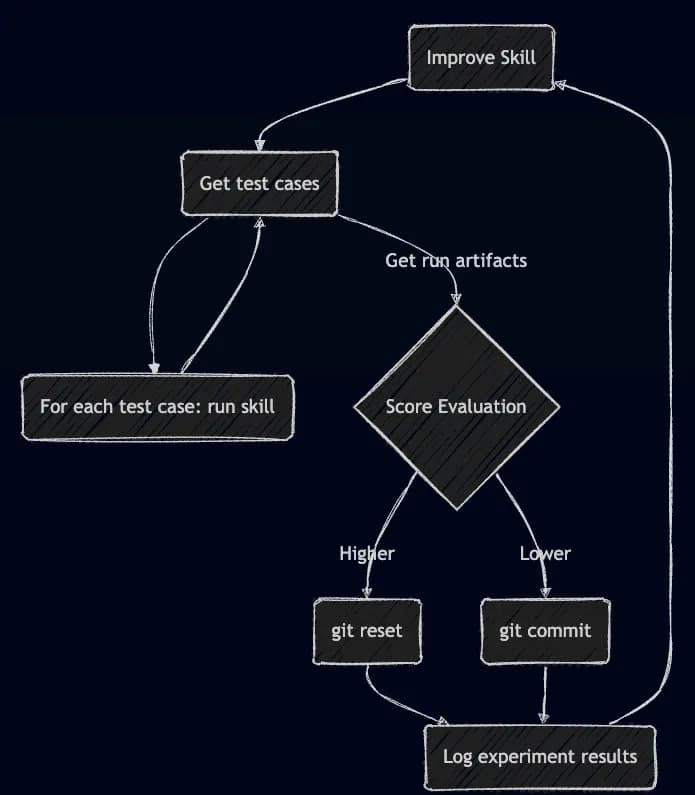
Karpathy's Autoresearch: Improving Agentic Coding Skills
Dev.to


