
PSY-STEP: Structuring Therapeutic Targets and Action Sequences for Proactive Counseling Dialogue Systems
arXiv cs.AI / 4/7/2026
📰 NewsSignals & Early TrendsIdeas & Deep AnalysisModels & Research
Key Points
- The paper introduces PSY-STEP (STEP), a dataset designed to represent CBT counseling by pairing automatic thoughts with fine-grained action-level dialogue sequences for therapeutic targeting.
- It presents STEPPER, an agent trained on PSY-STEP to proactively elicit automatic thoughts and perform cognitively grounded interventions during counseling dialogues.
- The authors further improve STEPPER using preference learning from simulated, synthesized counseling sessions to enhance both decision accuracy and empathetic responsiveness.
- Evaluation results on CBT-aligned benchmarks indicate STEPPER produces more clinically grounded, coherent, and personalized counseling than strong baseline models, improving counselor competence without causing emotional disruption.
Related Articles

Black Hat Asia
AI Business
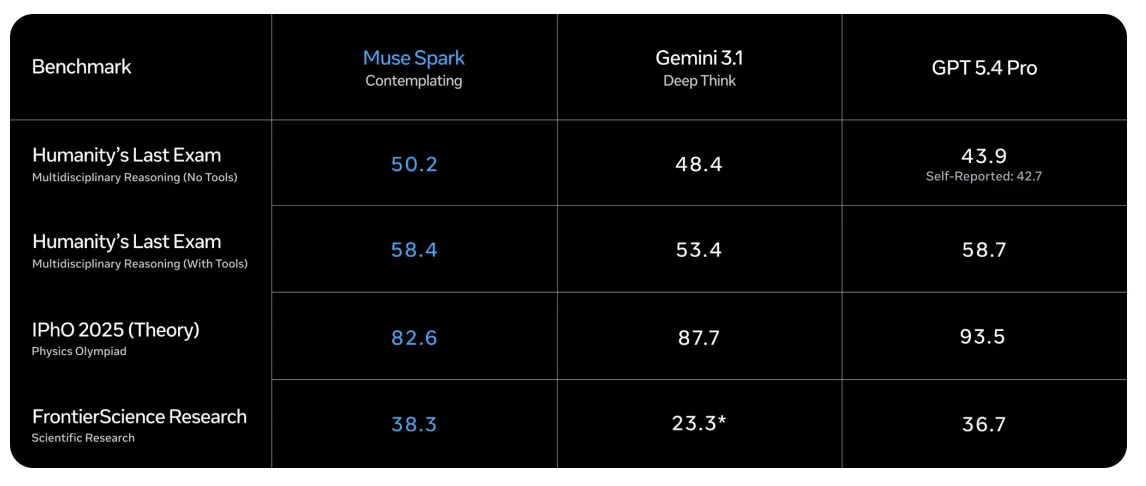
Meta Superintelligence Lab Releases Muse Spark: A Multimodal Reasoning Model With Thought Compression and Parallel Agents
MarkTechPost

Chatbots are great at manipulating people to buy stuff, Princeton boffins find
The Register
I tested and ranked every ai companion app I tried and here's my honest breakdown
Reddit r/artificial

Big Tech firms are accelerating AI investments and integration, while regulators and companies focus on safety and responsible adoption.
Dev.to


