
Mining Large Language Models for Low-Resource Language Data: Comparing Elicitation Strategies for Hausa and Fongbe
arXiv cs.CL / 4/15/2026
💬 OpinionSignals & Early TrendsIdeas & Deep AnalysisModels & Research
Key Points
- The paper tests whether strategic prompting can elicit usable text-data from commercial LLMs for low-resource languages, focusing on Hausa and Fongbe.
- It compares six elicitation task types across GPT-4o Mini and Gemini 2.5 Flash, finding that GPT-4o Mini can extract 6–41x more usable target-language words per API call.
- The study shows that “best” prompting strategies are language-dependent: Hausa performs better with functional text/dialogue elicitation, while Fongbe needs more constrained-generation prompts.
- The authors publish the generated corpora and code, enabling other researchers and developers to reproduce and extend the elicitation approach.
Related Articles

Black Hat Asia
AI Business

The Complete Guide to Better Meeting Productivity with AI Note-Taking
Dev.to

5 Ways Real-Time AI Can Boost Your Sales Call Performance
Dev.to
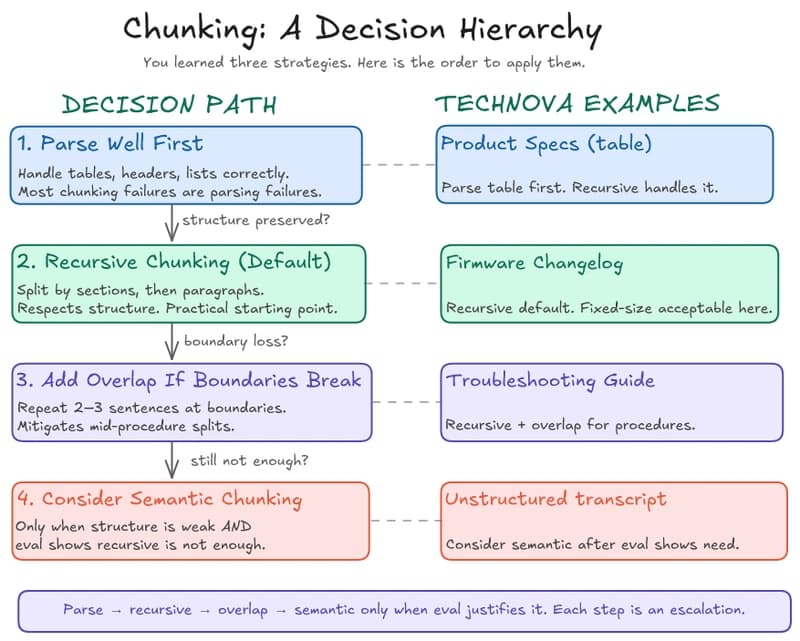
RAG in Practice — Part 4: Chunking, Retrieval, and the Decisions That Break RAG
Dev.to
Why dynamically routing multi-timescale advantages in PPO causes policy collapse (and a simple decoupled fix) [R]
Reddit r/MachineLearning


