
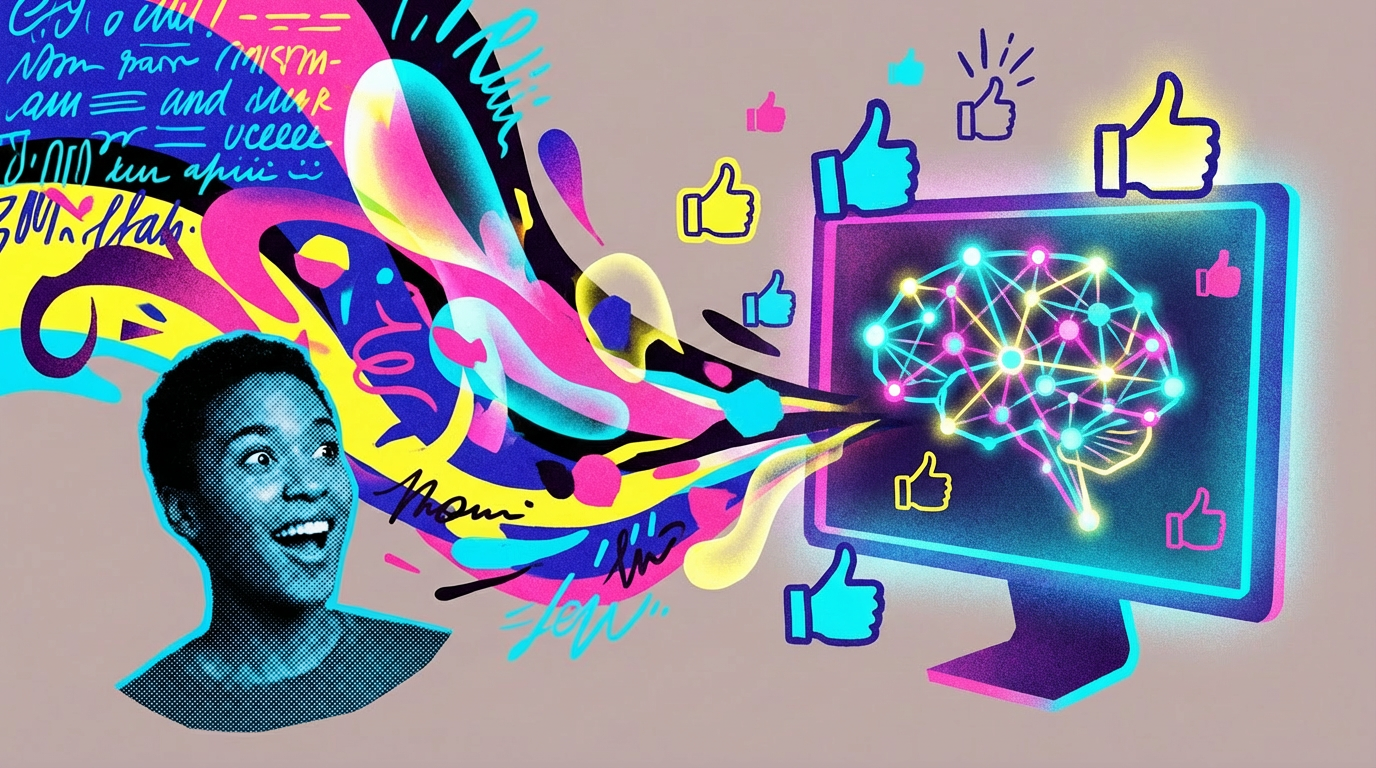
AI models tell people what they want to hear nearly 50 percent more often than other humans do. A new Science study shows this isn't just annoying: it makes people less willing to apologize, less likely to see the other side, and more convinced they're right. The worst part: users love it.
The article AI sycophancy makes people less likely to apologize and more likely to double down, study finds appeared first on The Decoder.


![[P] I trained an AI to play Resident Evil 4 Remake using Behavioral Cloning + LSTM](/_next/image?url=https%3A%2F%2Fexternal-preview.redd.it%2FzgmJOxETuqgqlsgMxeBl7S4gZNDHf_K3U9w883ioT4M.jpeg%3Fwidth%3D320%26crop%3Dsmart%26auto%3Dwebp%26s%3Da63f97b9d03c40b846cd3eaac472e78050020a43&w=3840&q=75)


