
SpaceMind: A Modular and Self-Evolving Embodied Vision-Language Agent Framework for Autonomous On-orbit Servicing
arXiv cs.RO / 4/17/2026
📰 NewsDeveloper Stack & InfrastructureSignals & Early TrendsModels & Research
Key Points
- The paper introduces SpaceMind, a modular “self-evolving” embodied vision-language agent framework aimed at autonomous on-orbit servicing requiring robust 3D perception, reasoning, and long-horizon multi-phase task execution.
- SpaceMind separates the system into three independently extensible dimensions: dynamically routed skill modules, MCP tools with configurable profiles, and injectable reasoning-mode skills.
- An MCP-Redis interface layer lets the same codebase run unchanged across UE5 simulation and physical laboratory/robot hardware, reducing transfer friction between environments.
- The authors report extensive validation (192 closed-loop runs across five satellites, multiple task types, and degraded conditions), with 90–100% navigation success under nominal conditions and a “Prospective mode” that uniquely handles certain degraded search-and-approach tasks.
- The skill self-evolution mechanism distills experience into persistent skill files without model fine-tuning, and the study shows recovery from failures in several groups plus real-world rendezvous success with 100% transfer requiring zero code modification.
Related Articles

Reported ban on ‘sex robots’ by online platform fuels debate on AI boundaries and content moderation
Reddit r/artificial
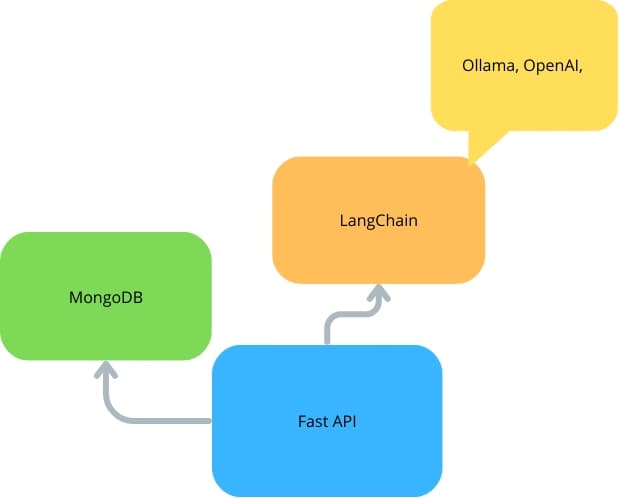
FastAPI With LangChain and MongoDB
Dev.to
Best AI Game Creator in 2026
Dev.to
![[Patterns] AI Agent Error Handling That Actually Works](/_next/image?url=https%3A%2F%2Fmedia2.dev.to%2Fdynamic%2Fimage%2Fwidth%3D1200%2Cheight%3D627%2Cfit%3Dcover%2Cgravity%3Dauto%2Cformat%3Dauto%2Fhttps%253A%252F%252Fdev-to-uploads.s3.amazonaws.com%252Fuploads%252Farticles%252Frn5czaopq2vzo7cglady.png&w=3840&q=75)
[Patterns] AI Agent Error Handling That Actually Works
Dev.to
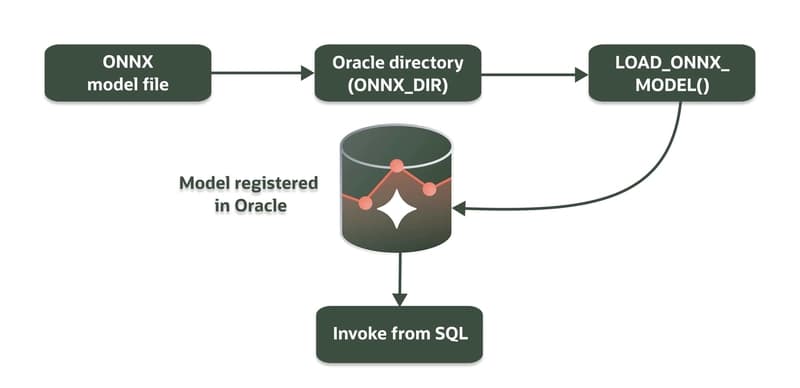
Building ONNX Embedding Workflows in Oracle AI Database with Python
Dev.to


