
UnAC: Adaptive Visual Prompting with Abstraction and Stepwise Checking for Complex Multimodal Reasoning
arXiv cs.CV / 5/6/2026
📰 NewsIdeas & Deep AnalysisModels & Research
Key Points
- The paper introduces UnAC, a multimodal prompting method aimed at improving LMM performance on complex, multi-step reasoning over visual evidence.
- UnAC uses adaptive visual prompting to help models focus on salient image regions and an image-abstraction prompt to extract key information more effectively.
- It further adds a stepwise self-checking mechanism that verifies each decomposed subquestion and its proposed answer to reduce reasoning errors.
- The approach is evaluated on three public benchmarks—MathVista, MM-Vet, and MMMU—using models such as GPT-4o, Gemini 1.5, and GPT-4V.
- Overall, the work targets a common limitation of current LMMs: strong visual perception paired with unreliable multi-step reasoning for evidence-based tasks.
Related Articles

Top 10 Free AI Tools for Students in 2026: The Ultimate Study Guide
Dev.to

AI as Your Contingency Co-Pilot: Automating Wedding Day 'What-Ifs'
Dev.to
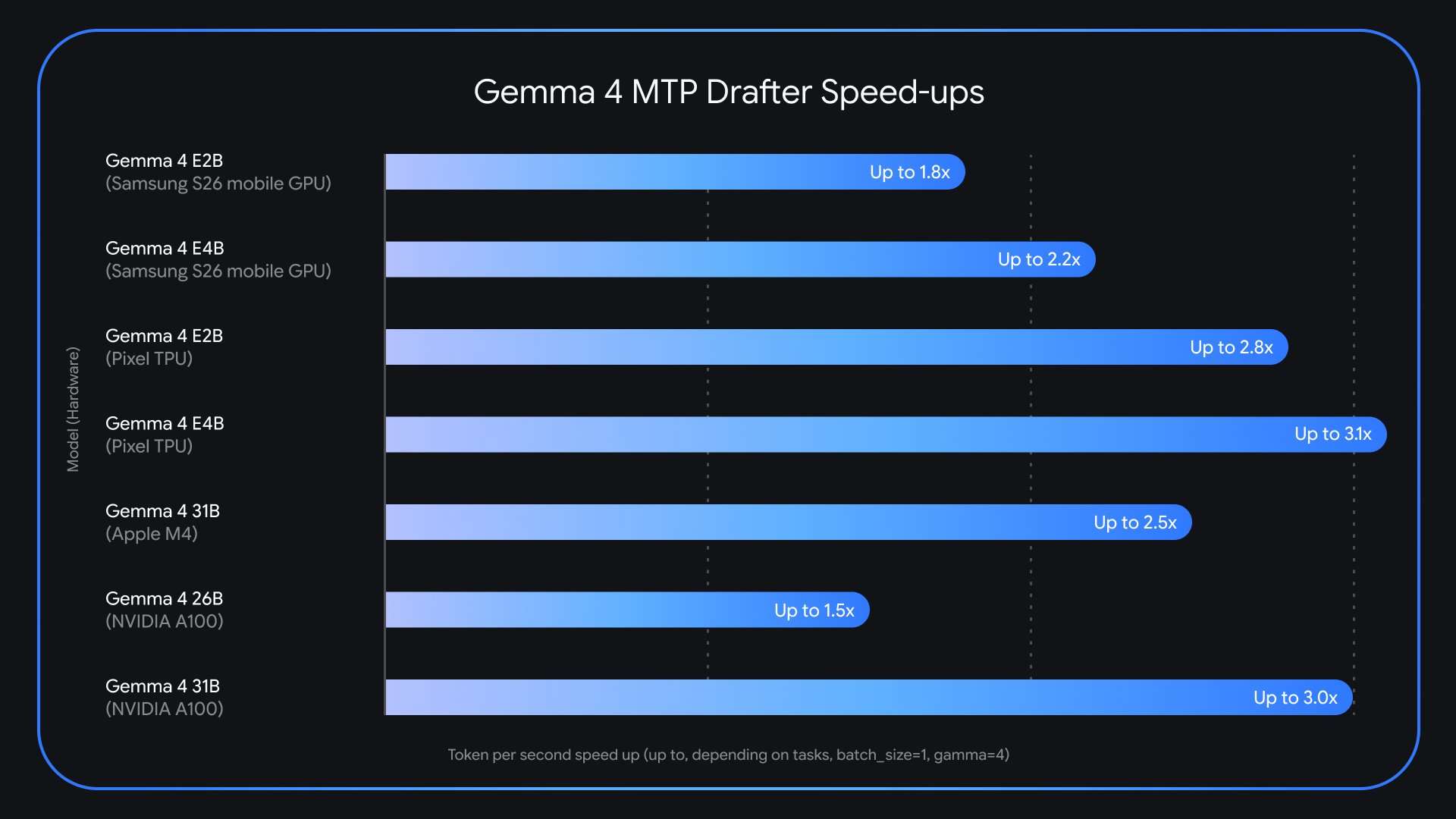
Google AI Releases Multi-Token Prediction (MTP) Drafters for Gemma 4: Delivering Up to 3x Faster Inference Without Quality Loss
MarkTechPost
When Claude Hallucinates in Court: The Latham & Watkins Incident and What It Means for Attorney Liability
MarkTechPost
Solidity LM surpasses Opus
Reddit r/LocalLLaMA


