
ReflectCAP: Detailed Image Captioning with Reflective Memory
arXiv cs.AI / 4/15/2026
📰 NewsSignals & Early TrendsIdeas & Deep AnalysisModels & Research
Key Points
- ReflectCAP(Reflective Note-Guided Captioning)は、詳細な画像キャプションにおける「事実性」と「きめ細かなカバレッジ」の両立を狙い、LVLMの幻覚(誤り)と見落としを反復分析して指針化します。
- 複数エージェントのパイプラインで、標的LVLMが一貫して誤る点/抜ける点を抽出し、それを「Structured Reflection Notes」として再利用可能なガイドラインに蒸留します。
- 推論時にはこのノートが、避けるべき内容と注意すべき内容の両面からキャプション生成を誘導し、GPT-4.1ファミリー、Qwen、InternVLなど8種類のLVLMで事実性とカバレッジのトレードオフを改善します。
- CapArena-Autoでの対戦評価では強い参照モデルに対して優位性が示され、既存のマルチエージェント手法に比べて計算オーバーヘッド(21–36%増)を抑えつつ、モデルスケーリングより良い品質/計算コストのバランスを実現します。
Related Articles

Black Hat Asia
AI Business

The Complete Guide to Better Meeting Productivity with AI Note-Taking
Dev.to

5 Ways Real-Time AI Can Boost Your Sales Call Performance
Dev.to
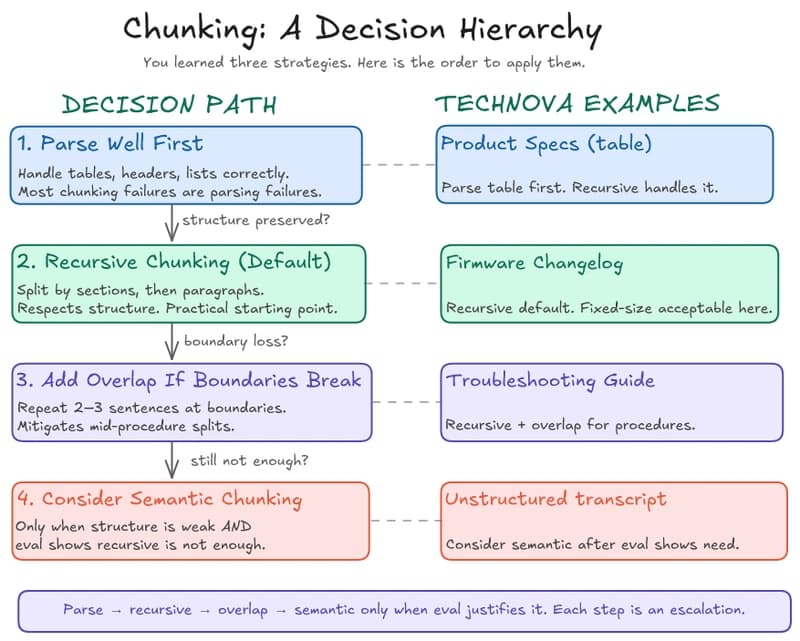
RAG in Practice — Part 4: Chunking, Retrieval, and the Decisions That Break RAG
Dev.to
Why dynamically routing multi-timescale advantages in PPO causes policy collapse (and a simple decoupled fix) [R]
Reddit r/MachineLearning


