
Vision-Guided Iterative Refinement for Frontend Code Generation
arXiv cs.AI / 4/8/2026
📰 NewsSignals & Early TrendsIdeas & Deep AnalysisModels & Research
Key Points
- The paper proposes a fully automated “critic-in-the-loop” framework for frontend code generation where a vision-language model evaluates rendered webpages and returns structured feedback for iterative code refinement.
- Using requests from the WebDev Arena dataset, the method improves solution quality across three refinement cycles, reaching up to a 17.8% performance increase compared with prior approaches.
- The authors study whether the benefits of VLM-based critique can be transferred into the code-generating LLM via parameter-efficient fine-tuning (LoRA), finding it recovers about 25% of the gains from the best critic-in-the-loop setup without increasing token usage significantly.
- Overall, the work concludes that multi-step, automated visual critique yields higher-quality outputs than a single LLM inference pass, underscoring the value of iterative refinement for visually grounded web development tasks.
💡 Insights using this article
This article is featured in our daily AI news digest — key takeaways and action items at a glance.
Related Articles

Black Hat Asia
AI Business

The enforcement gap: why finding issues was never the problem
Dev.to
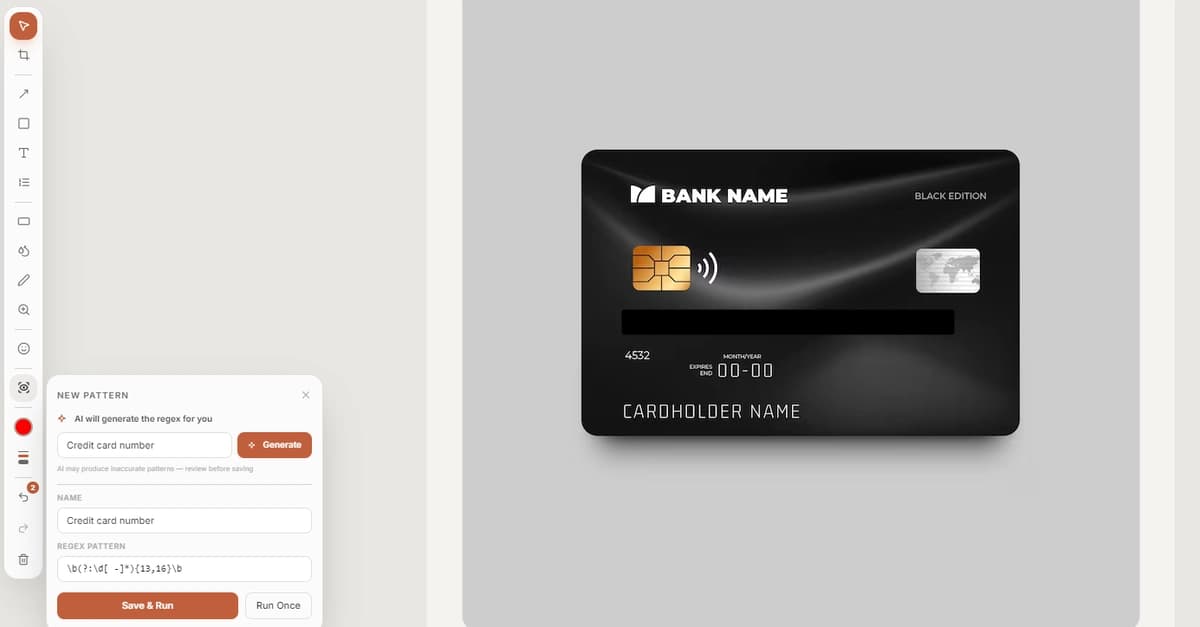
How I Built AI-Powered Auto-Redaction Into a Desktop Screenshot Tool
Dev.to

Agentic AI vs Traditional Automation: Why They Require Different Approaches in Modern Enterprises
Dev.to
Agentic AI vs Traditional Automation: Why Modern Enterprises Must Treat Them Differently
Dev.to


