
SPREG: Structured Plan Repair with Entropy-Guided Test-Time Intervention for Large Language Model Reasoning
arXiv cs.AI / 4/21/2026
📰 NewsDeveloper Stack & InfrastructureIdeas & Deep AnalysisModels & Research
Key Points
- The paper introduces SPREG, a lightweight inference-time framework designed to fix logical hallucinations and entropy-driven drift in large language model (LLM) long-chain reasoning.
- SPREG detects failure by monitoring real-time entropy and identifying “entropy spikes,” which serve as signals that reasoning has gone off track.
- When an entropy spike is detected, SPREG performs surgical repair by replacing uninformative null-priors with reference distributions derived from historical high-confidence states.
- The method adapts classifier-free guidance strength across structured reasoning stages (such as Action and Observation) to regain stability while preserving language fluency.
- Experiments report a notable 20.0% absolute accuracy improvement on AIME25 and strong suppression of uncontrolled entropy drift in complex tasks.
Related Articles

¿Hasta qué punto podría la IA reemplazarnos en nuestros trabajos? A veces creo que la gente exagera un poco.
Reddit r/artificial
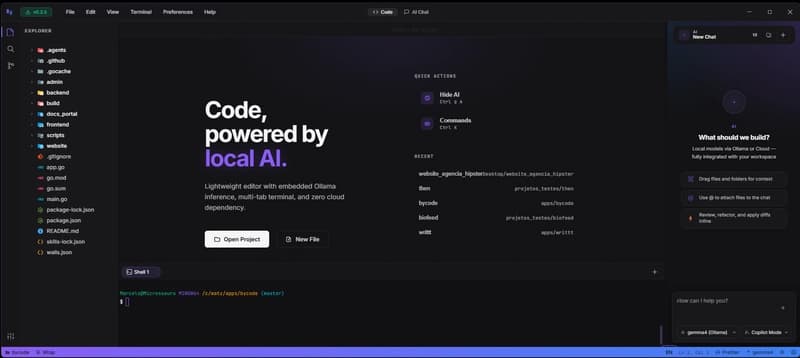
Why I Built byCode: A 100% Local, Privacy-First AI IDE
Dev.to

Magnificent irony as Meta staff unhappy about running surveillance software on work PCs
The Register
v0.21.1
Ollama Releases
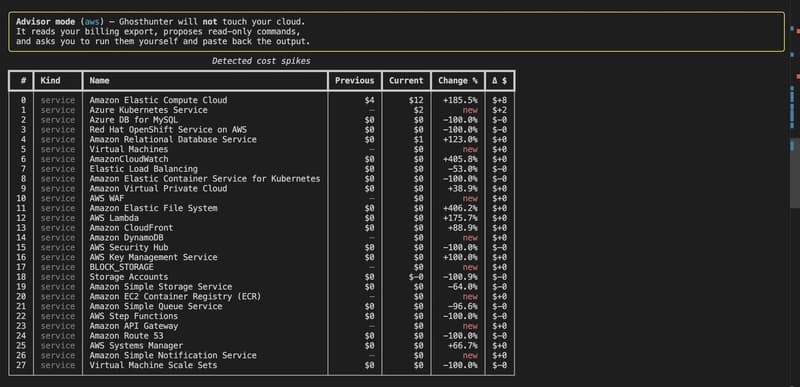
How I Built an AI Agent That Investigates Cloud Bill Spikes (Architecture Inside)
Dev.to


