
Think in Latent Thoughts: A New Paradigm for Gloss-Free Sign Language Translation
arXiv cs.CV / 4/17/2026
📰 NewsDeveloper Stack & InfrastructureSignals & Early TrendsModels & Research
Key Points
- The paper argues that gloss-free sign language translation (SLT) should be treated primarily as cross-modal reasoning rather than a direct video-to-text mapping, because meaning is constructed dynamically using context, space, and movement.
- It introduces a reasoning-driven SLT framework that uses an ordered sequence of “latent thoughts” as an intermediate representation between video inputs and generated text.
- The approach applies a plan-then-ground decoding strategy, where the model first plans what to say and then grounds that plan by looking back at the video evidence to improve coherence and faithfulness.
- The authors also released a new large-scale gloss-free SLT dataset designed with stronger context dependencies and more realistic meanings, reporting consistent benchmark gains versus existing methods.
- The project will publish code and data upon acceptance, with a planned release at https://github.com/fletcherjiang/SignThought.
Related Articles

Reported ban on ‘sex robots’ by online platform fuels debate on AI boundaries and content moderation
Reddit r/artificial
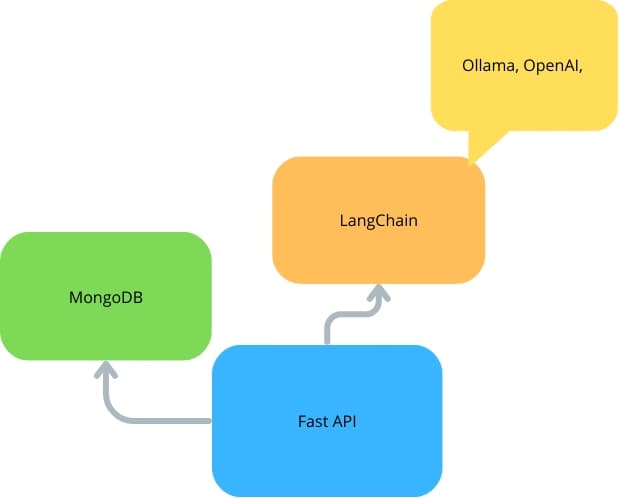
FastAPI With LangChain and MongoDB
Dev.to
Best AI Game Creator in 2026
Dev.to
![[Patterns] AI Agent Error Handling That Actually Works](/_next/image?url=https%3A%2F%2Fmedia2.dev.to%2Fdynamic%2Fimage%2Fwidth%3D1200%2Cheight%3D627%2Cfit%3Dcover%2Cgravity%3Dauto%2Cformat%3Dauto%2Fhttps%253A%252F%252Fdev-to-uploads.s3.amazonaws.com%252Fuploads%252Farticles%252Frn5czaopq2vzo7cglady.png&w=3840&q=75)
[Patterns] AI Agent Error Handling That Actually Works
Dev.to
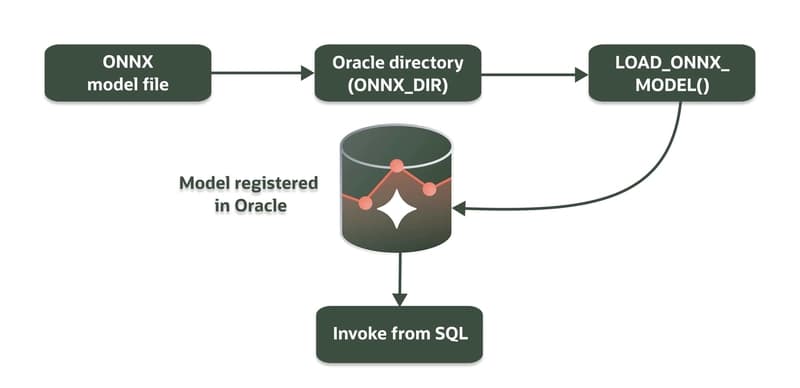
Building ONNX Embedding Workflows in Oracle AI Database with Python
Dev.to


