
FedIDM: Achieving Fast and Stable Convergence in Byzantine Federated Learning through Iterative Distribution Matching
arXiv cs.LG / 4/17/2026
📰 NewsModels & Research
Key Points
- The paper argues that many Byzantine-robust federated learning methods converge slowly and unstably, and often lose model utility under high proportions of colluding malicious clients.
- It proposes FedIDM, a Byzantine-robust FL approach that uses distribution matching to create trustworthy condensed data for identifying and filtering abnormal clients.
- FedIDM includes two key components: attack-tolerant condensed data generation and a robust aggregation scheme with negative contribution-based rejection.
- Experimental results on three benchmark datasets show FedIDM delivers fast, stable convergence while preserving acceptable utility across multiple state-of-the-art Byzantine attack settings with many malicious clients.
Related Articles
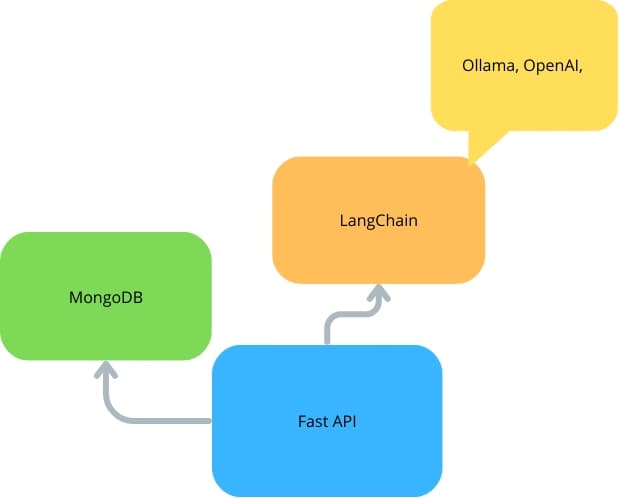
FastAPI With LangChain and MongoDB
Dev.to
![[2026] OpenTelemetry for LLM Observability — Self-Hosted Setup](/_next/image?url=https%3A%2F%2Fmedia2.dev.to%2Fdynamic%2Fimage%2Fwidth%3D1200%2Cheight%3D627%2Cfit%3Dcover%2Cgravity%3Dauto%2Cformat%3Dauto%2Fhttps%253A%252F%252Fdev-to-uploads.s3.amazonaws.com%252Fuploads%252Farticles%252Flu4b6ttuhur71z5gemm0.png&w=3840&q=75)
[2026] OpenTelemetry for LLM Observability — Self-Hosted Setup
Dev.to

The AI Education Product on Product Hunt Worth Watching
Dev.to

The joy and pain of training an LLM from scratch
Reddit r/LocalLLaMA

Did you know that you can use Qwen3.5-35B-A3B-Base as an instruction/reasoning Model?
Reddit r/LocalLLaMA


