
Graph-of-Agents: A Graph-based Framework for Multi-Agent LLM Collaboration
arXiv cs.AI / 4/21/2026
📰 NewsModels & Research
Key Points
- The paper introduces Graph-of-Agents (GoA), a graph-based framework to orchestrate multi-agent LLM collaboration for better task performance.
- GoA improves over prior approaches by (1) sampling only the most relevant agents using model-card metadata, (2) creating graph edges via response-based relevance ordering, and (3) using directed message passing plus reverse refinement before aggregating answers with graph pooling.
- Experiments across multiple benchmarks (MMLU, MMLU-Pro, GPQA, MATH, HumanEval, MedMCQA) with a pool of six LLMs show that GoA can outperform baselines that use all six agents.
- Notably, GoA achieves stronger results using only three selected agents, suggesting relevance-based selection and structured communication can reduce agent count without sacrificing quality.
- The authors provide code on GitHub and position GoA as a scalable method for managing the growing number of available LLMs and agent candidates.
Related Articles
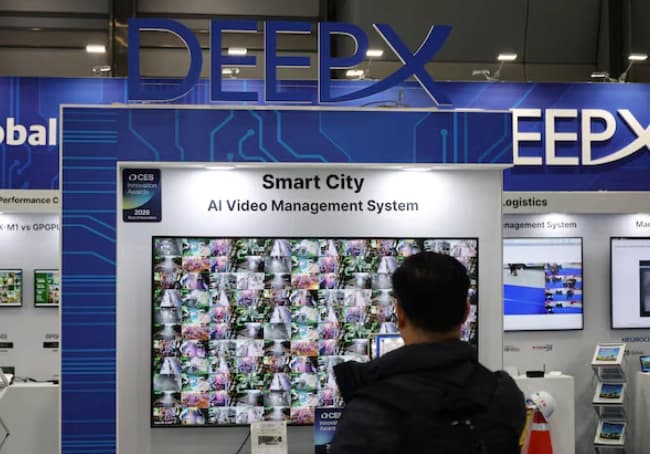
DEEPX and Hyundai Are Building Generative AI Robots
Dev.to
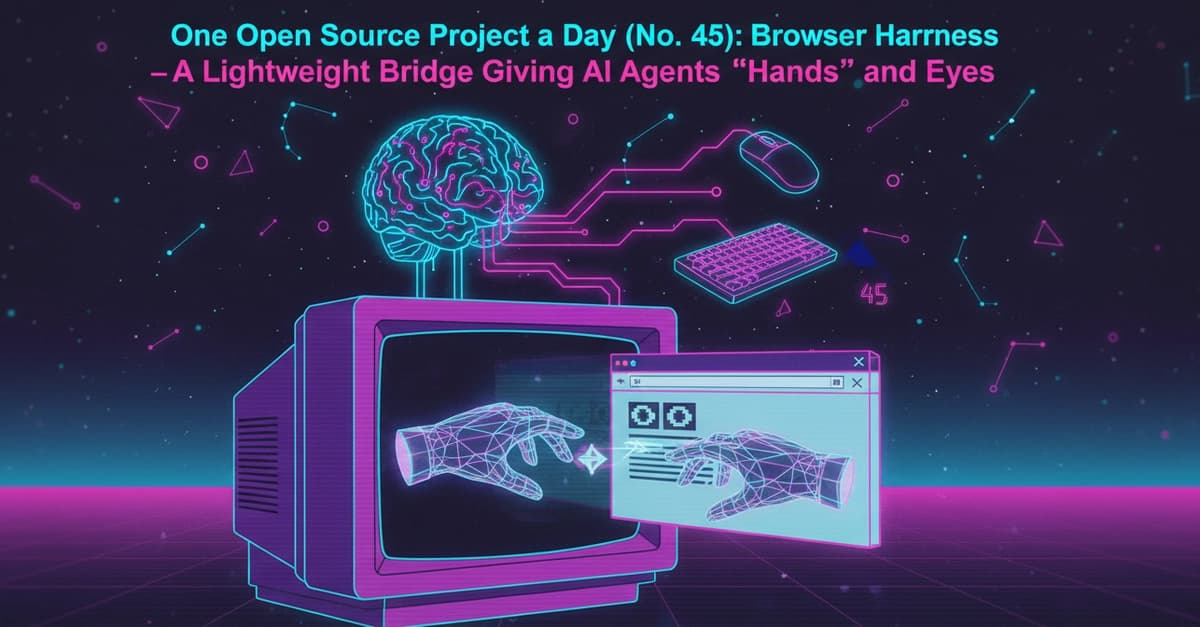
One Open Source Project a Day (No. 45): Browser Harness - A Lightweight Bridge Giving AI Agents "Hands" and "Eyes"
Dev.to
Is a high-end private local LLM setup worth it?
Reddit r/LocalLLaMA
Hugging Face Releases ml-intern: An Open-Source AI Agent that Automates the LLM Post-Training Workflow
MarkTechPost

AEGIS — A framework for collective, distributed, and accountable cyber defense in the age of autonomous AI vulnerability discovery
Reddit r/artificial


