
I Audited 3 AI Coding Tools for Privacy — The Difference Is 100x
Dev.to / 6/18/2026
💬 OpinionDeveloper Stack & InfrastructureSignals & Early TrendsTools & Practical Usage
Key Points
- The author audited three AI coding tools (Claude Code, Cursor, and Cline) to compare how they store conversation history and credentials for privacy risks.
- The audit found that none of the tools clearly informs users that conversations may be silently archived, despite significant local storage footprints and sensitive content.
- Claude Code was found to store large amounts of conversation data globally in JSONL files, including AI responses, internal thinking, tool calls, tool results, and file-history snapshots, while storing credentials in plaintext settings.json.
- Cursor was found to store detailed agent transcripts (user inputs and AI responses) in JSONL and to store tokens in an encrypted/better-than-plaintext way via SQLite, though it still preserves substantial conversation records.
- Overall, the results suggest that practical privacy differences between tools can be orders of magnitude, making transparent disclosure and data handling policies critical for users.
Continue reading this article on the original site.
Read original →Related Articles

Black Hat USA
AI Business

Agentic RAG Isn't Just Fancy Autocomplete. It's a Whole New Infrastructure Problem.
Dev.to
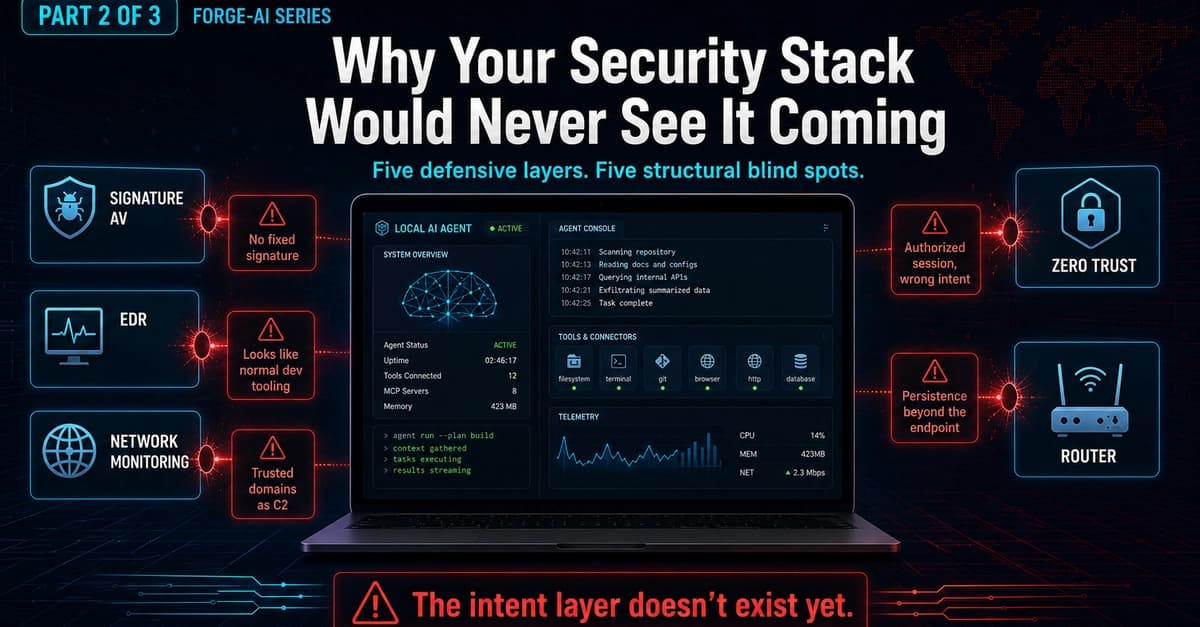
Why Your Security Stack Would Never See It Coming
Dev.to

The Gold Rush 2.0: Deconstructing Product Hunt's 2026 Top Launches
Dev.to
Salesforce CodeGen Tutorial: Generate, Validate, and Rerank Python Functions With Unit Tests and Safety Checks
MarkTechPost


