
Boosted Distributional Reinforcement Learning: Analysis and Healthcare Applications
arXiv cs.LG / 4/7/2026
💬 OpinionIdeas & Deep AnalysisModels & Research
Key Points
- The paper argues that expectation-based reinforcement learning can be inadequate in highly uncertain, multi-agent domains, motivating distributional methods that model full outcome distributions.
- It introduces Boosted Distributional Reinforcement Learning (BDRL), which optimizes agent-specific outcome distributions while enforcing comparability among similar agents and provides a convergence analysis.
- To stabilize training, BDRL adds a post-update projection step framed as constrained convex optimization that aligns outcomes to a high-performing reference within a tolerance.
- The authors apply BDRL to hypertension management by grouping patients by cardiovascular risk and adjusting treatment strategies for median and higher-vulnerability patients via behavior-mimicking from top performers.
- Results indicate that BDRL improves both the number and consistency of quality-adjusted life years compared with reinforcement learning baselines.
Related Articles

Big Tech firms are accelerating AI investments and integration, while regulators and companies focus on safety and responsible adoption.
Dev.to

Could it be that this take is not too far fetched?
Reddit r/LocalLLaMA
npm audit Is Broken — Here's the Claude Code Skill I Built to Fix It
Dev.to

Meta Launches Muse Spark: A New AI Model for Everyday Use
Dev.to
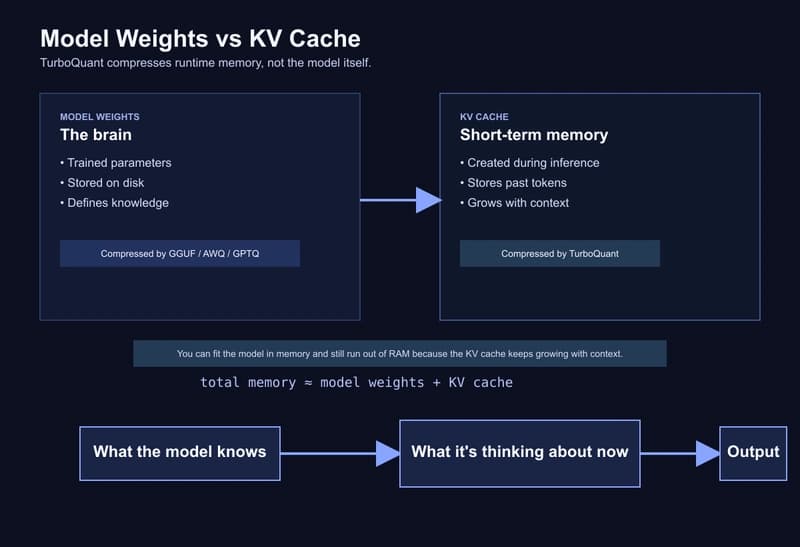
TurboQuant on a MacBook: building a one-command local stack with Ollama, MLX, and an automatic routing proxy
Dev.to


