
NLP Occupational Emergence Analysis: How Occupations Form and Evolve in Real Time -- A Zero-Assumption Method Demonstrated on AI in the US Technology Workforce, 2022-2026
arXiv cs.CL / 3/18/2026
💬 OpinionSignals & Early TrendsIdeas & Deep Analysis
Key Points
- The authors introduce a zero-assumption method for detecting occupational emergence based on a bipartite co-attractor of shared vocabulary and practitioner population, avoiding predefined taxonomies or job titles.
- When applied to 8.2 million US resumes from 2022-2026, the method correctly identifies established occupations and reveals an asymmetry for AI: a cohesive AI vocabulary formed in early 2024, but the practitioner population did not cohere into a new AI occupation.
- The results suggest AI is a diffusing technology rather than creating a distinct occupation, with the new AI vocabulary being absorbed into existing careers rather than forming a separate category.
- The authors discuss whether introducing an 'AI Engineer' occupational category could catalyze population cohesion around the existing vocabulary, effectively completing the co-attractor.
- The methodology provides a real-time framework for monitoring occupational dynamics using resume data, with potential implications for workforce planning and education.
Related Articles
Day 10: 230 Sessions of Hustle and It Comes Down to One Person Reading a Document
Dev.to

5 Dangerous Lies Behind Viral AI Coding Demos That Break in Production
Dev.to
Two bots, one confused server: what Nimbus revealed about AI agent identity
Dev.to
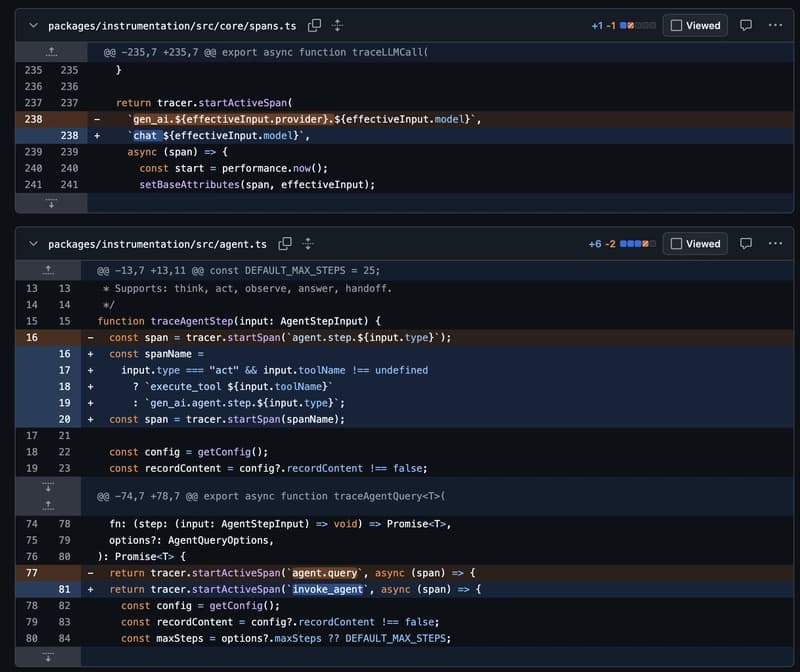
OpenTelemetry just standardized LLM tracing. Here's what it actually looks like in code.
Dev.to
PIXIU: A Large Language Model, Instruction Data and Evaluation Benchmark forFinance
Dev.to


