
RoboEval: Where Robotic Manipulation Meets Structured and Scalable Evaluation
arXiv cs.RO / 5/6/2026
💬 OpinionDeveloper Stack & InfrastructureIdeas & Deep AnalysisModels & Research
Key Points
- RoboEval is presented as a structured, scalable evaluation framework for robotic manipulation that goes beyond simple success/failure counts using behavioral and outcome metrics grounded in evaluation principles.
- The benchmark includes eight bimanual tasks with systematically controlled variations, supported by over 3,000 expert demonstrations and a modular simulation platform to enable reproducible experiments.
- Tasks are instrumented with standardized metrics covering efficiency, coordination, and safety/stability, plus stage-wise outcome tracking to pinpoint where failures occur.
- The authors validate the proposed metrics using state-of-the-art visuomotor policies by testing stability under distribution/task variation, discriminative power among similarly successful policies, and correlation with overall task success.
- RoboEval’s design aims to make failure modes more observable and comparable across methods, helping researchers better diagnose execution quality rather than only reporting aggregate results.
Related Articles

Top 10 Free AI Tools for Students in 2026: The Ultimate Study Guide
Dev.to

SIFS (SIFS Is Fast Search) - local code search for coding agents
Dev.to

AI as Your Contingency Co-Pilot: Automating Wedding Day 'What-Ifs'
Dev.to

BizNode's semantic memory (Qdrant) makes your bot smarter over time — it remembers past conversations and answers...
Dev.to
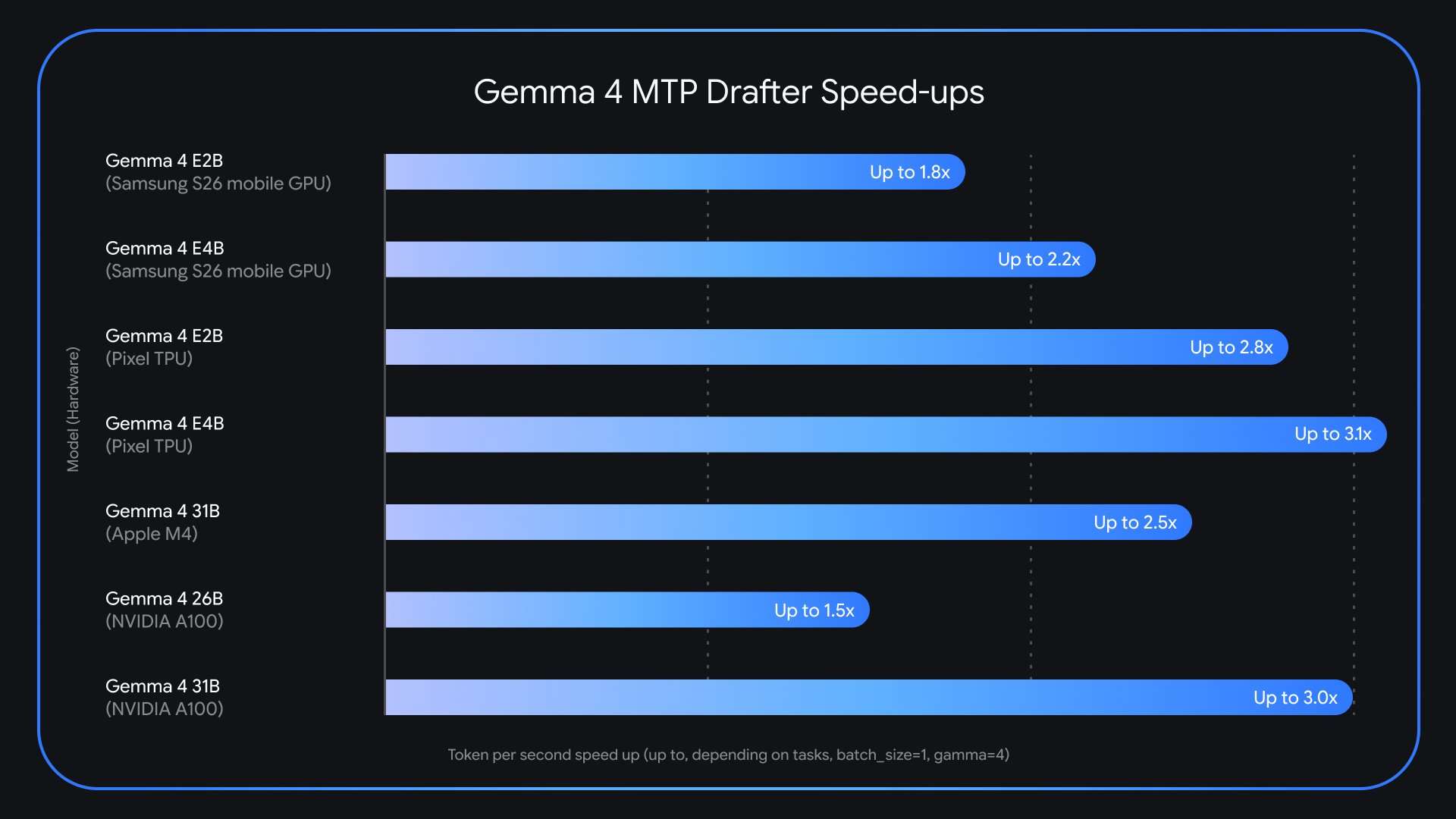
Google AI Releases Multi-Token Prediction (MTP) Drafters for Gemma 4: Delivering Up to 3x Faster Inference Without Quality Loss
MarkTechPost


