
Solar-VLM: Multimodal Vision-Language Models for Augmented Solar Power Forecasting
arXiv cs.AI / 4/7/2026
💬 OpinionSignals & Early TrendsIdeas & Deep AnalysisModels & Research
Key Points
- The paper introduces Solar-VLM, a multimodal vision-language-model framework aimed at improving photovoltaic (PV) power forecasting under highly weather- and cloud-dependent conditions.
- It unifies three input types—multivariate time-series at PV sites, satellite imagery for cloud cover, and textual weather histories—using modality-specific encoders (a patch-based time-series encoder, a Qwen-based vision encoder, and a text encoder).
- To capture spatial dependencies across geographically distributed PV stations, Solar-VLM adds a cross-site fusion design that uses graph attention over a K-nearest-neighbor station graph plus cross-site attention for adaptive information exchange.
- Experiments on eight PV stations in northern China show the framework’s effectiveness, and the authors provide a public GitHub implementation.
Related Articles

Black Hat Asia
AI Business
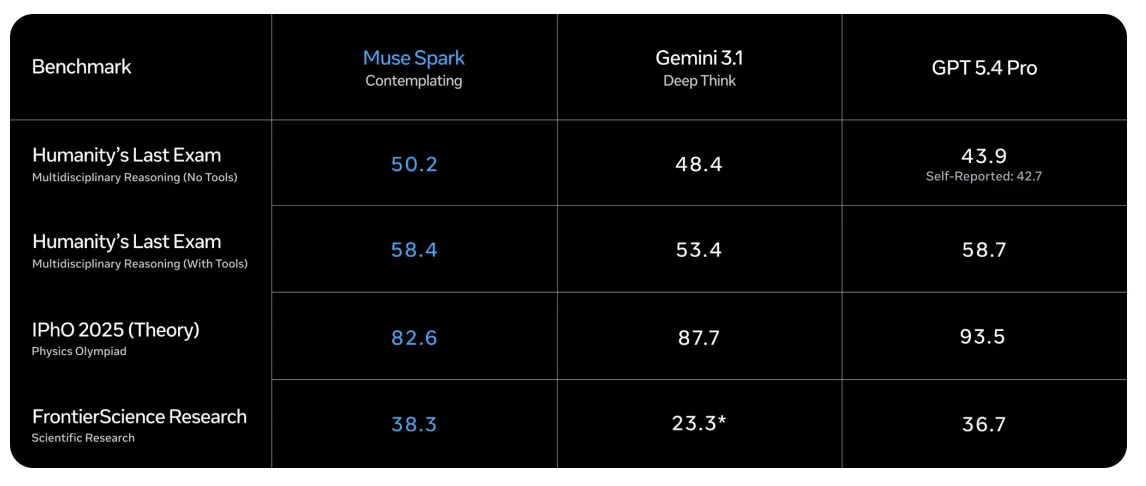
Meta Superintelligence Lab Releases Muse Spark: A Multimodal Reasoning Model With Thought Compression and Parallel Agents
MarkTechPost

Chatbots are great at manipulating people to buy stuff, Princeton boffins find
The Register
I tested and ranked every ai companion app I tried and here's my honest breakdown
Reddit r/artificial

Big Tech firms are accelerating AI investments and integration, while regulators and companies focus on safety and responsible adoption.
Dev.to


