
Implicit Framing in Obstetric Counseling Notes: A Grounded LLM Pipeline on a VBAC-Eligible Cohort
arXiv cs.CL / 4/28/2026
📰 NewsDeveloper Stack & InfrastructureModels & Research
Key Points
- The study examines how “clinical framing” in physician counseling notes shapes patient understanding and decision-making in obstetrics, focusing on VBAC versus repeat cesarean (RCS).
- Researchers analyze counseling language across 2,024 obstetric history and physical narratives from a strictly defined cohort where both delivery modes were clinically viable.
- To reduce confounding from contraindications, the team builds a VBAC-eligible cohort using structured data plus an LLM-based extraction pipeline that is constrained to grounded, verbatim evidence from the notes.
- They then use a zero-shot LLM approach to categorize counseling segments into predefined framing categories, finding that RCS notes use risk-focused language far more frequently than VBAC notes.
- Statistical testing confirms category-level differences in framing distributions, demonstrating the utility of controlled LLM-based framing analysis for obstetric care research.
Related Articles
LLMs will be a commodity
Reddit r/artificial

What it feels like to have to have Qwen 3.6 or Gemma 4 running locally
Reddit r/LocalLLaMA
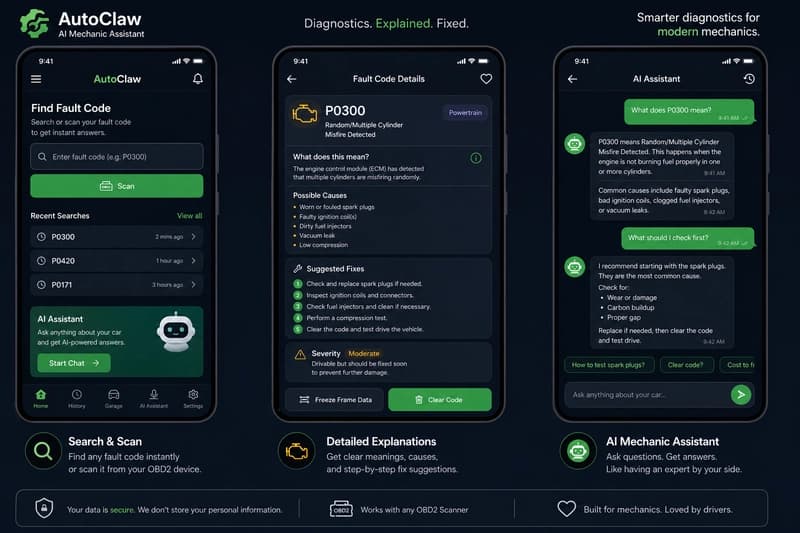
From Fault Codes to Smart Fixes: How Google Cloud NEXT ’26 Inspired My AI Mechanic Assistant
Dev.to

Dex lands $5.3M to grow its AI-driven talent matching platform
Tech.eu

7 OpenClaw Money-Making Cases in One Week — and the Hidden Cost Problem Behind Them
Dev.to


