
More Than "Means to an End": Supporting Reasoning with Transparently Designed AI Data Science Processes
arXiv cs.AI / 3/27/2026
💬 OpinionIdeas & Deep AnalysisModels & Research
Key Points
- 生成AIがデータサイエンスを支援できる一方で、従来のエンドツーエンド設計では代替案の評価や問題の作り直しを支援しにくく、高リスク領域では課題が残ると指摘しています。
- 医療現場向けに設計された2つのAIデータサイエンス・システムを「ツール・オブ・ソート(考えるための道具)」として分析し、ユーザーの思考を促す要因を検討しています。
- 成功は、読みやすいクエリ言語、概念定義、入出力例などの“意図的に設計された中間成果物”をワークフローに組み込むことで達成されていることが示されています。
- AIプロセスの一部が不透明であっても、中間成果物が分析上の重要な判断を推論させ、初期の質問を洗練し、ユーザーの固有知識の反映につながると述べています。
- HCIコミュニティに対し、効果的なデータサイエンス思考を促すために「どの中間成果物を、いつ、どう設計すべきか」を考えるよう提起しています。
広告
Related Articles

Got My 39-Agent System Audited Live. Here's What the Maturity Scorecard Revealed.
Dev.to

The Redline Economy
Dev.to

$500 GPU outperforms Claude Sonnet on coding benchmarks
Dev.to

From Scattershot to Sniper: AI for Hyper-Personalized Media Lists
Dev.to
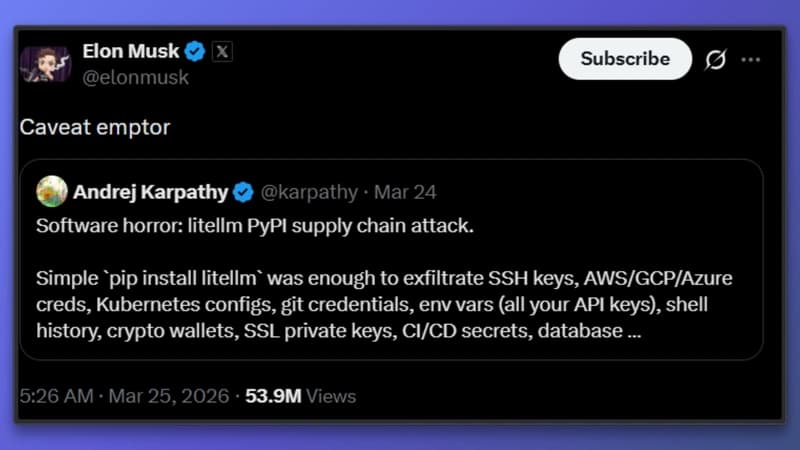
The LiteLLM Supply Chain Attack: A Wake-Up Call for AI Infrastructure
Dev.to


