
Dual-Axis Generative Reward Model Toward Semantic and Turn-taking Robustness in Interactive Spoken Dialogue Models
arXiv cs.AI / 4/17/2026
📰 NewsModels & Research
Key Points
- The paper addresses a core challenge in full-duplex spoken dialogue models: improving interaction quality via reinforcement learning when existing automated metrics are unreliable reward proxies.
- It proposes a Dual-Axis Generative Reward Model that evaluates interactions with two separate axes—semantic quality and turn-taking/interaction timing—while also producing a single overall score.
- The approach uses a detailed taxonomy and an annotated dataset to capture complex interaction dynamics more faithfully than timing- or behavior-only measures.
- Experiments show state-of-the-art performance for interaction-quality assessment across both synthetic and real-world spoken dialogue datasets, indicating stronger reward signals for online RL.
- The resulting dual evaluation outputs are positioned as diagnostic feedback that can directly guide and stabilize the learning of SDMs during reinforcement learning training.
Related Articles
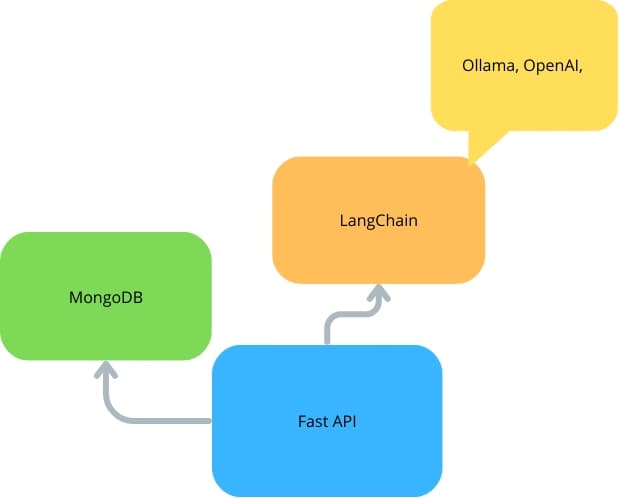
FastAPI With LangChain and MongoDB
Dev.to
![[2026] OpenTelemetry for LLM Observability — Self-Hosted Setup](/_next/image?url=https%3A%2F%2Fmedia2.dev.to%2Fdynamic%2Fimage%2Fwidth%3D1200%2Cheight%3D627%2Cfit%3Dcover%2Cgravity%3Dauto%2Cformat%3Dauto%2Fhttps%253A%252F%252Fdev-to-uploads.s3.amazonaws.com%252Fuploads%252Farticles%252Flu4b6ttuhur71z5gemm0.png&w=3840&q=75)
[2026] OpenTelemetry for LLM Observability — Self-Hosted Setup
Dev.to
The AI Education Product on Product Hunt Worth Watching
Dev.to

The joy and pain of training an LLM from scratch
Reddit r/LocalLLaMA

Did you know that you can use Qwen3.5-35B-A3B-Base as an instruction/reasoning Model?
Reddit r/LocalLLaMA


