
Robust Path Tracking for Vehicles via Continuous-Time Residual Learning: An ICODE-MPPI Approach
arXiv cs.RO / 5/6/2026
📰 NewsDeveloper Stack & InfrastructureIdeas & Deep AnalysisModels & Research
Key Points
- The paper introduces ICODE-MPPI, a robust version of sampling-based Model Predictive Path Integral (MPPI) control that addresses performance limits caused by imperfect nominal vehicle dynamics.
- It uses Input Concomitant Neural Ordinary Differential Equations (ICODEs) to learn unmodeled residual dynamics while preserving physical consistency and temporal continuity across the MPPI prediction horizon.
- The authors report high-fidelity simulation results showing up to a 69% reduction in cross-tracking error under persistent disturbances compared with standard MPPI.
- The approach also reduces control chattering, producing smoother steering commands and improved robustness versus the baseline controller.
- A key differentiator emphasized is that, unlike discrete-time residual learning, continuous-time ICODE modeling better maintains consistent dynamics over time within the MPC-like rollout.
Related Articles

Top 10 Free AI Tools for Students in 2026: The Ultimate Study Guide
Dev.to

SIFS (SIFS Is Fast Search) - local code search for coding agents
Dev.to

AI as Your Contingency Co-Pilot: Automating Wedding Day 'What-Ifs'
Dev.to

BizNode's semantic memory (Qdrant) makes your bot smarter over time — it remembers past conversations and answers...
Dev.to
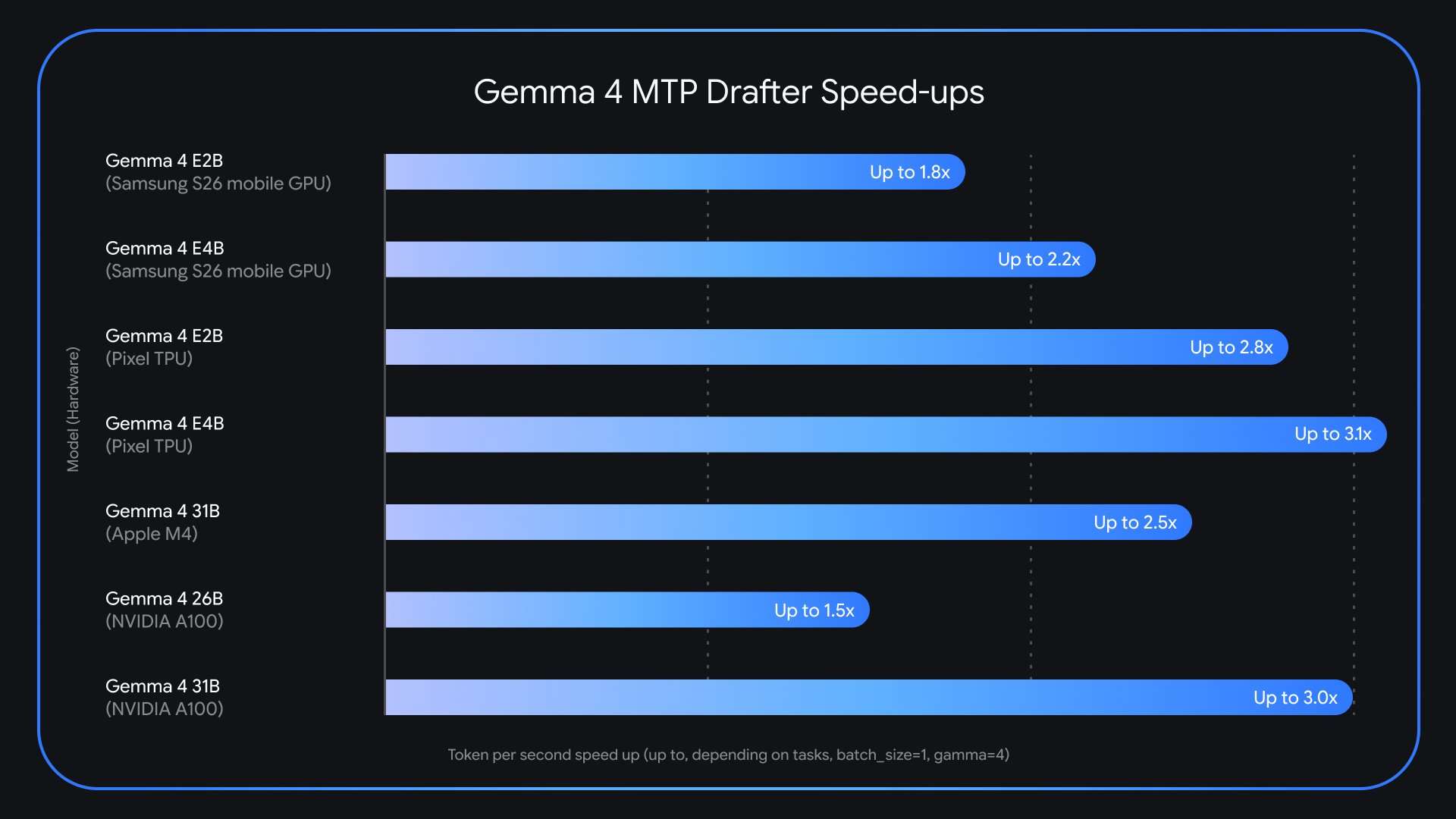
Google AI Releases Multi-Token Prediction (MTP) Drafters for Gemma 4: Delivering Up to 3x Faster Inference Without Quality Loss
MarkTechPost


