
Faithfulness Serum: Mitigating the Faithfulness Gap in Textual Explanations of LLM Decisions via Attribution Guidance
arXiv cs.CL / 4/17/2026
📰 NewsModels & Research
Key Points
- The paper investigates whether natural-language, post-hoc explanations for LLM decisions are epistemically faithful—i.e., whether they reflect the internal evidence the model actually used—rather than merely looking convincing.
- Using counterfactual evaluation, it finds that LLM-generated textual explanations are often unfaithful to the model’s true decision evidence.
- It proposes “Faithfulness Serum,” a training-free approach that improves explanation faithfulness by applying attention-level interventions during explanation generation.
- The method uses token-level heatmaps derived from a faithful attribution technique to guide the model toward explanations aligned with the relevant internal signals.
- Experiments show significant gains in epistemic faithfulness across multiple LLMs, benchmarks, and prompting setups.
💡 Insights using this article
This article is featured in our daily AI news digest — key takeaways and action items at a glance.
Related Articles
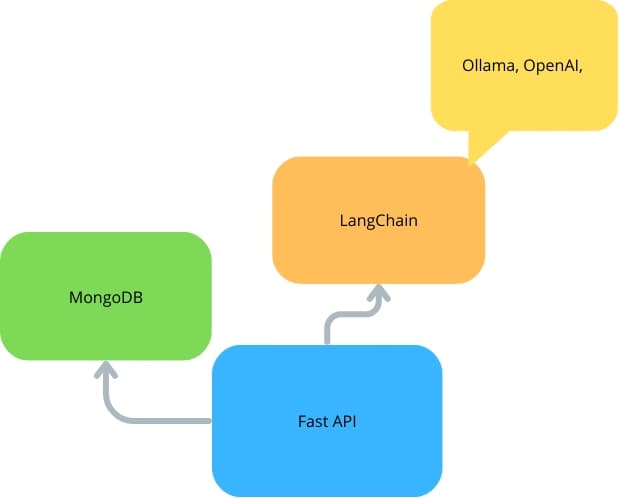
FastAPI With LangChain and MongoDB
Dev.to
![[2026] OpenTelemetry for LLM Observability — Self-Hosted Setup](/_next/image?url=https%3A%2F%2Fmedia2.dev.to%2Fdynamic%2Fimage%2Fwidth%3D1200%2Cheight%3D627%2Cfit%3Dcover%2Cgravity%3Dauto%2Cformat%3Dauto%2Fhttps%253A%252F%252Fdev-to-uploads.s3.amazonaws.com%252Fuploads%252Farticles%252Flu4b6ttuhur71z5gemm0.png&w=3840&q=75)
[2026] OpenTelemetry for LLM Observability — Self-Hosted Setup
Dev.to
The AI Education Product on Product Hunt Worth Watching
Dev.to

The joy and pain of training an LLM from scratch
Reddit r/LocalLLaMA

Did you know that you can use Qwen3.5-35B-A3B-Base as an instruction/reasoning Model?
Reddit r/LocalLLaMA


