
InsTraj: Instructing Diffusion Models with Travel Intentions to Generate Real-world Trajectories
arXiv cs.AI / 4/7/2026
📰 NewsSignals & Early TrendsIdeas & Deep AnalysisModels & Research
Key Points
- The paper introduces InsTraj, a framework for generating realistic and controllable GPS trajectories from natural-language travel intentions.
- It uses a large language model to convert unstructured user travel intents into semantic “blueprints,” bridging the gap between intent representations and trajectory outputs.
- InsTraj then employs a multimodal trajectory diffusion transformer that produces high-fidelity, instruction-faithful trajectories while respecting fine-grained intent constraints.
- Experiments on real-world datasets reportedly show InsTraj outperforming existing approaches on realism, diversity, and semantic faithfulness.
- The work targets key application needs across urban planning, mobility simulation, and privacy-preserving data sharing where both control and realistic variability are essential.
Related Articles

Black Hat Asia
AI Business
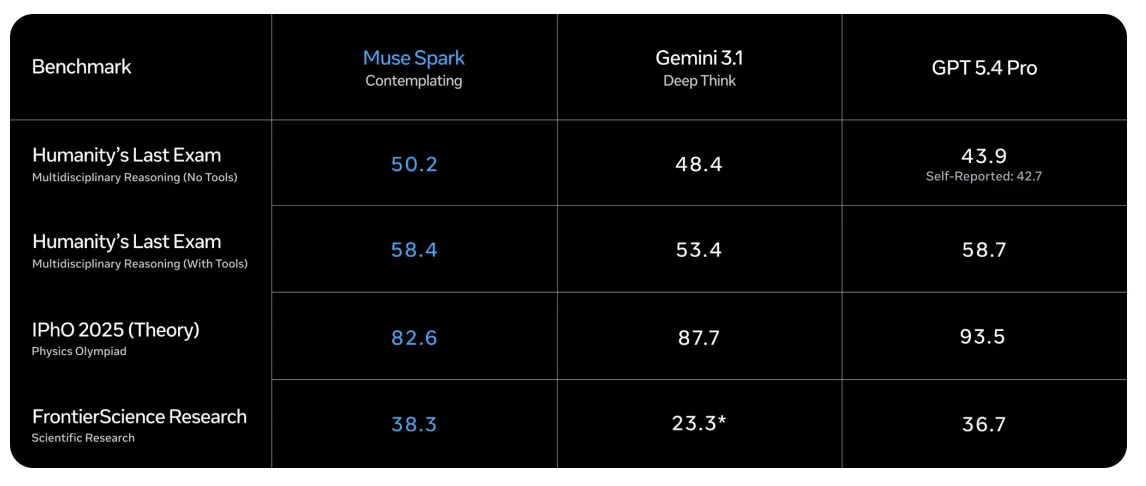
Meta Superintelligence Lab Releases Muse Spark: A Multimodal Reasoning Model With Thought Compression and Parallel Agents
MarkTechPost

Chatbots are great at manipulating people to buy stuff, Princeton boffins find
The Register
I tested and ranked every ai companion app I tried and here's my honest breakdown
Reddit r/artificial

Big Tech firms are accelerating AI investments and integration, while regulators and companies focus on safety and responsible adoption.
Dev.to


