
One-shot learning for the complex dynamical behaviors of weakly nonlinear forced oscillators
arXiv cs.LG / 4/17/2026
📰 NewsDeveloper Stack & InfrastructureModels & Research
Key Points
- The paper introduces a one-shot learning approach to predict global frequency-response curves of nonlinear forced oscillators from only a single excitation time history.
- It presents MEv-SINDy, which learns the governing equations for non-autonomous, multi-frequency systems by using Generalized Harmonic Balance (GHB) to transform complex responses into slow-varying evolution equations.
- The method is validated on two MEMS case studies—a nonlinear beam resonator and a MEMS micromirror—demonstrating accurate predictions across excitation levels.
- The results indicate strong performance for capturing nonlinear characteristics such as softening/hardening behavior and jump phenomena, while greatly reducing data acquisition requirements.
- Overall, the study targets a core engineering challenge by combining physics-informed sparse identification with one-shot data efficiency for microsystem characterization and design.
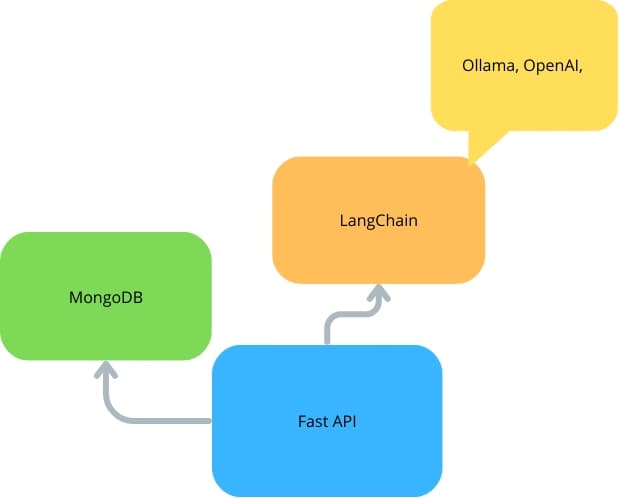
![[Patterns] AI Agent Error Handling That Actually Works](/_next/image?url=https%3A%2F%2Fmedia2.dev.to%2Fdynamic%2Fimage%2Fwidth%3D1200%2Cheight%3D627%2Cfit%3Dcover%2Cgravity%3Dauto%2Cformat%3Dauto%2Fhttps%253A%252F%252Fdev-to-uploads.s3.amazonaws.com%252Fuploads%252Farticles%252Frn5czaopq2vzo7cglady.png&w=3840&q=75)
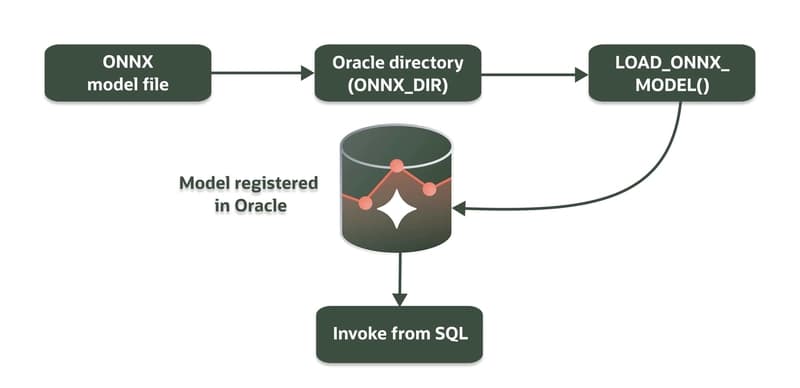

![[2026] OpenTelemetry for LLM Observability — Self-Hosted Setup](/_next/image?url=https%3A%2F%2Fmedia2.dev.to%2Fdynamic%2Fimage%2Fwidth%3D1200%2Cheight%3D627%2Cfit%3Dcover%2Cgravity%3Dauto%2Cformat%3Dauto%2Fhttps%253A%252F%252Fdev-to-uploads.s3.amazonaws.com%252Fuploads%252Farticles%252Flu4b6ttuhur71z5gemm0.png&w=3840&q=75)


