
BrainMem: Brain-Inspired Evolving Memory for Embodied Agent Task Planning
arXiv cs.RO / 4/21/2026
📰 NewsDeveloper Stack & InfrastructureSignals & Early TrendsModels & Research
Key Points
- BrainMem is a training-free, plug-and-play memory framework for embodied agents that helps long-horizon task planning by using persistent working, episodic, and semantic memory.
- It converts interaction histories into structured knowledge graphs and distilled symbolic guidelines so planners can retrieve, reason over, and adapt from past experience.
- Unlike many LLM-based planners that are stateless and reactive, BrainMem targets repeated errors and improves handling of spatial and temporal dependencies.
- The system is designed to work with arbitrary multimodal LLMs, reducing the need for task-specific prompt engineering and model fine-tuning.
- Experiments on EB-ALFRED, EB-Navigation, EB-Manipulation, and EB-Habitat show significant gains in task success rates, especially for long-horizon and spatially complex tasks.
Related Articles

Capsule Security Emerges From Stealth With $7 Million in Funding
Dev.to

Rethinking Coding Education for the AI Era
Dev.to
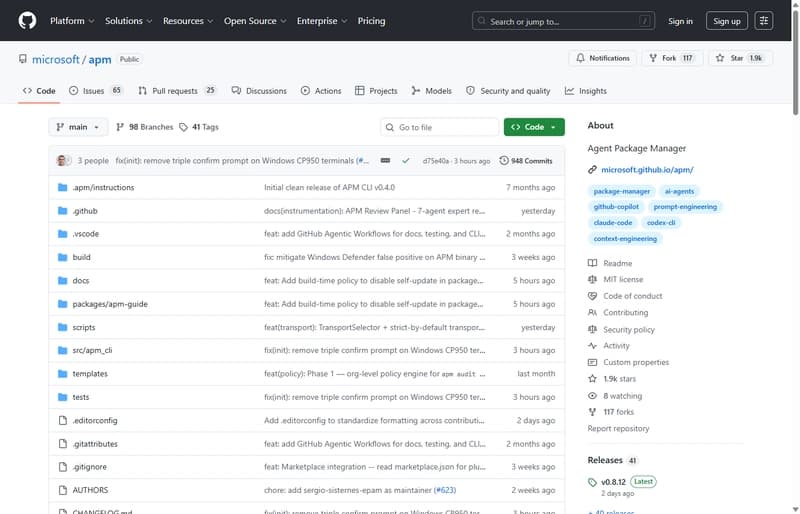
Agent Package Manager (APM): A DevOps Guide to Reproducible AI Agents
Dev.to

3 Things I Learned Benchmarking Claude, GPT-4o, and Gemini on Real Dev Work
Dev.to
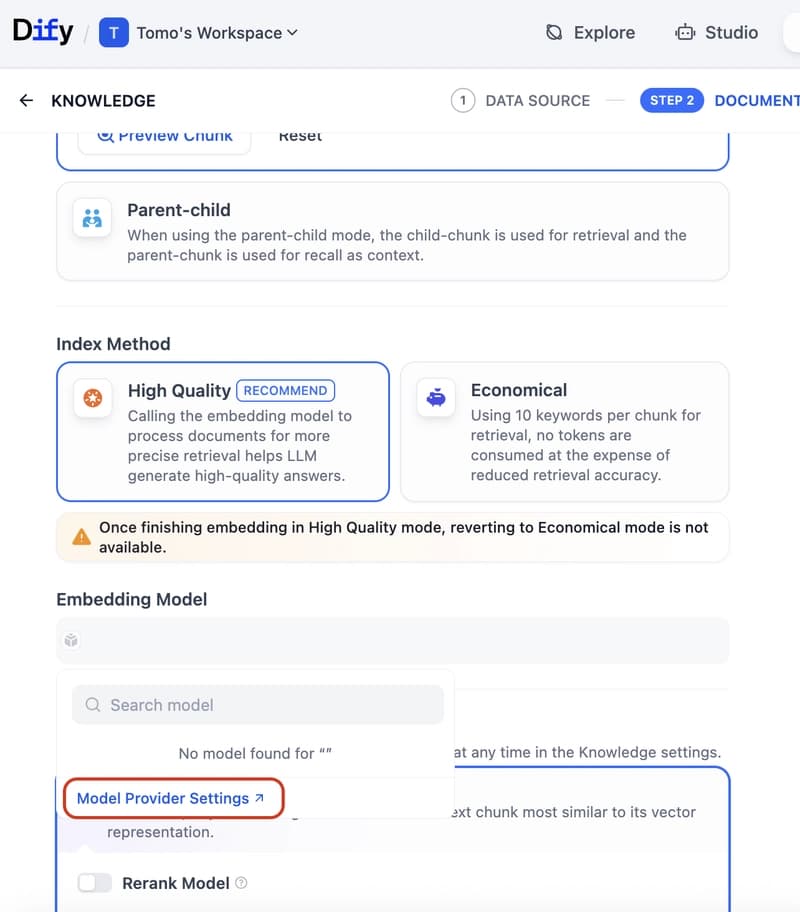
Dify Now Supports IRIS as a Vector Store — Setup Guide
Dev.to


