
A Principle-Driven Adaptive Policy for Group Cognitive Stimulation Dialogue for Elderly with Cognitive Impairment
arXiv cs.CL / 3/12/2026
📰 NewsIdeas & Deep AnalysisModels & Research
Key Points
- The paper proposes a principle-driven adaptive policy implemented as a Group Cognitive Stimulation Dialogue (GCSD) system to improve cognitive stimulation therapy for elderly individuals with cognitive impairment, addressing limitations of traditional methods and static user models in LLM-based dialogues.
- It creates a rich dataset of over 500 hours of real CST conversations and 10,000+ simulated dialogues via a Principle-Guided Scenario Simulation strategy to train and evaluate GCSD.
- GCSD comprises four modules: (i) a multi-speaker context controller to resolve role confusion; (ii) dynamic participant cognitive state modeling for personalized interaction; (iii) a cognitive stimulation-focused attention loss to instill cognitive stimulation reasoning; and (iv) a multi-dimensional reward strategy to enhance response value.
- Experimental results indicate GCSD significantly outperforms baseline models across multiple evaluation metrics, with future work focusing on long-term clinical validation to bridge computational performance and clinical efficacy.
Related Articles
Day 10: 230 Sessions of Hustle and It Comes Down to One Person Reading a Document
Dev.to
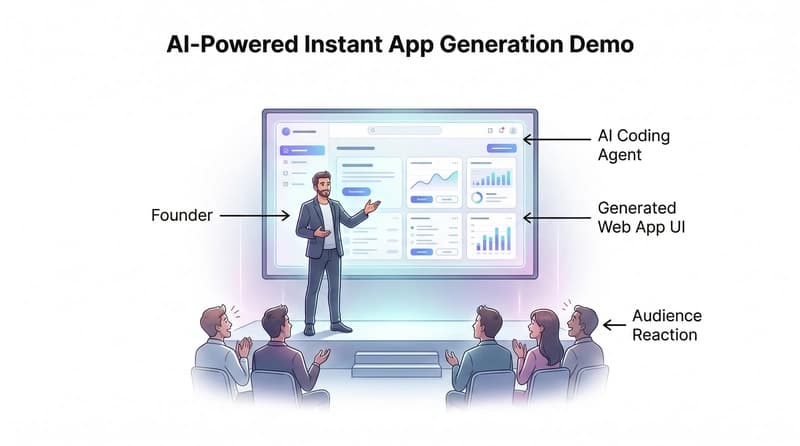
5 Dangerous Lies Behind Viral AI Coding Demos That Break in Production
Dev.to
Two bots, one confused server: what Nimbus revealed about AI agent identity
Dev.to
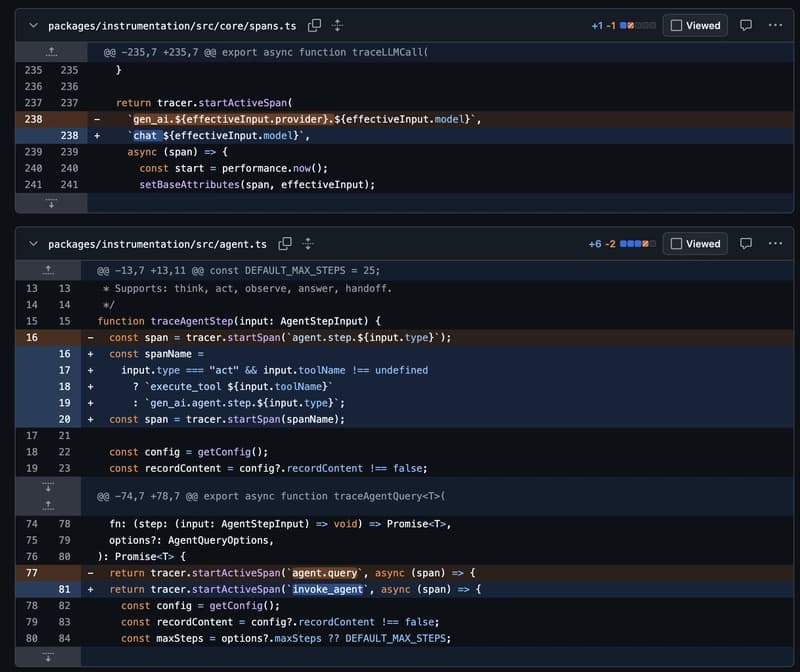
OpenTelemetry just standardized LLM tracing. Here's what it actually looks like in code.
Dev.to
PIXIU: A Large Language Model, Instruction Data and Evaluation Benchmark forFinance
Dev.to


