
Hi-WM: Human-in-the-World-Model for Scalable Robot Post-Training
arXiv cs.RO / 4/24/2026
📰 NewsIdeas & Deep AnalysisModels & Research
Key Points
- The paper introduces Human-in-the-World-Model (Hi-WM), a robot post-training framework that uses a learned world model to replace much of the costly real-world human-in-the-loop process.
- During training, the policy is rolled out inside the world model, and when trajectories become failure-prone, a human intervenes in the simulation to provide short corrective actions.
- Hi-WM supports caching of intermediate states plus rollback and branching, enabling reuse of a single failure state to generate multiple corrective continuations and produce dense supervision on weak behaviors.
- Experiments on five real-world settings (three manipulation tasks for rigid and deformable objects, using two policy backbones) show large real-world gains, including a 37.9-point average improvement over the base policy and strong correlation between world-model evaluation and real-world success (r = 0.953).
Related Articles
The 67th Attempt: When Your "Knowledge Management" System Becomes a Self-Fulfilling Prophecy of Excellence
Dev.to
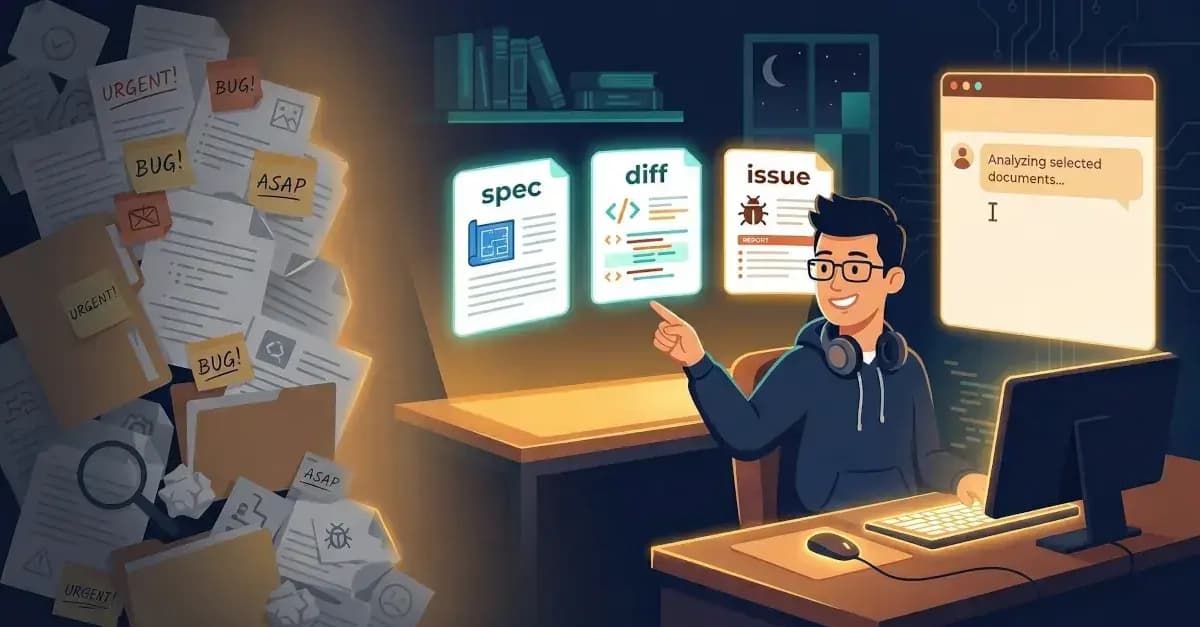
Context Engineering for Developers: A Practical Guide (2026)
Dev.to
GPT-5.5 is here. So is DeepSeek V4. And honestly, I am tired of version numbers.
Dev.to
I Built an AI Image Workflow with GPT Image 2.0 (+ Fixing Its Biggest Flaw)
Dev.to
Max-and-Omnis/Nemotron-3-Super-64B-A12B-Math-REAP-GGUF
Reddit r/LocalLLaMA


