
Machine Learning-Augmented Acceleration of Iterative Ptychographic Reconstruction
arXiv cs.LG / 5/5/2026
📰 NewsDeveloper Stack & InfrastructureSignals & Early TrendsModels & Research
Key Points
- The paper proposes a machine learning–augmented iterative ptychographic reconstruction method that uses a learned fast-forward operator to speed up convergence under realistic experimental conditions.
- The workflow uses a brief warm-up with standard ptychographic iterations, then applies the learned operator to move the solution closer to a converged state before switching back to conventional iterative updates.
- Training on diverse ptychographic datasets and testing on experimental data from a different year show robustness and the ability to generalize across time.
- Compared with conventional iterative solvers, the method achieves similar reconstruction quality while reducing wall-clock time by more than two-fold, using Poisson negative log-likelihood as a convergence metric.
- The approach has been integrated into an existing reconstruction pipeline and deployed in production at a synchrotron beamline for real-time experimental operation.
Related Articles
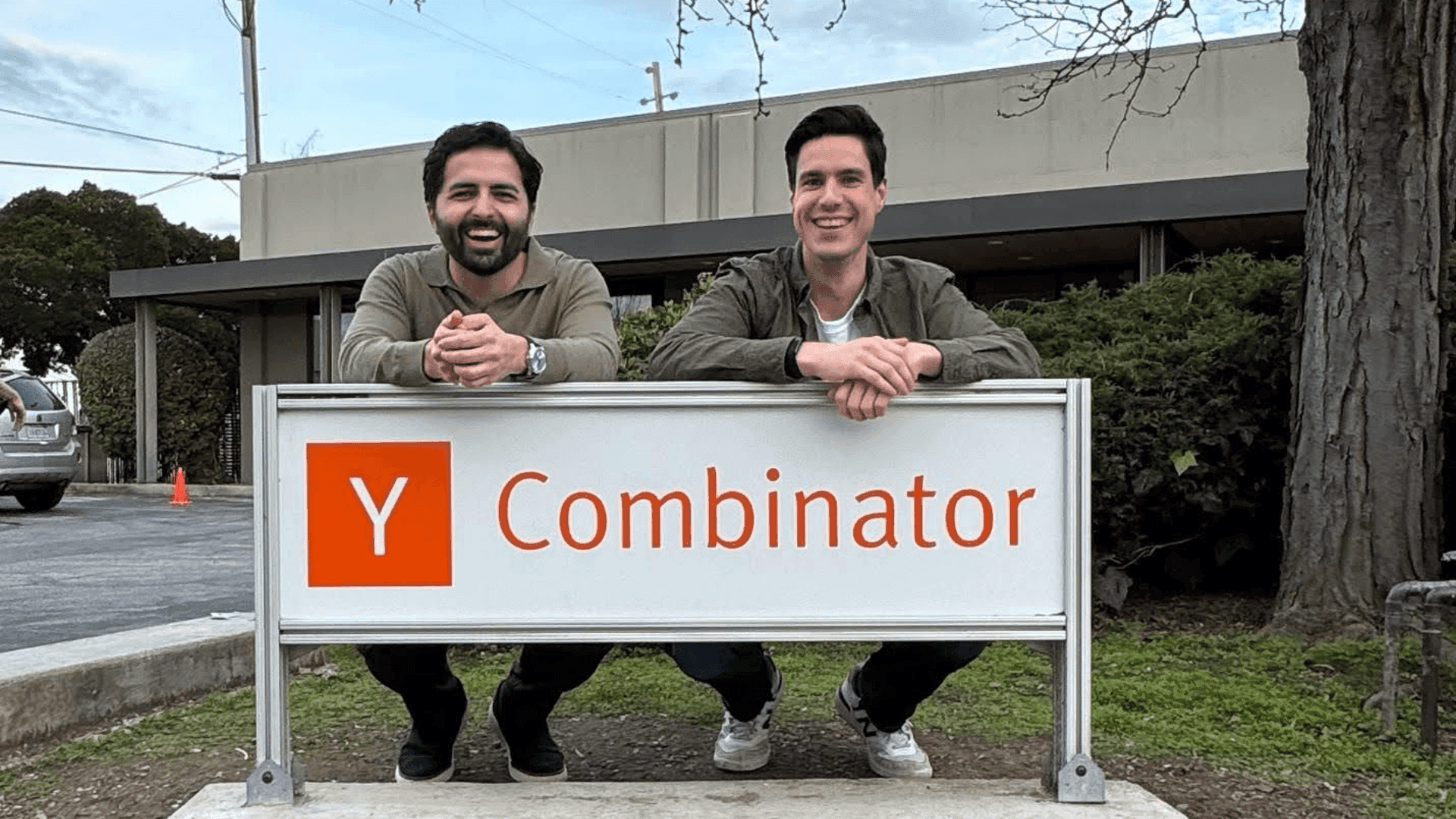
Backed by Y Combinator and 20 unicorn founders, Moritz lands $9M
Tech.eu

Why Retail Chargeback Recovery Could Be AgentHansa's First Real PMF
Dev.to

Anthropic Launches AI Services Company with Blackstone & Goldman Sachs
Dev.to

Why B2B Revenue-Recovery Casework Looks Like AgentHansa's Best Early PMF
Dev.to

10 Ways AI Has Become Your Invisible Daily Companion in 2026
Dev.to


