
Temporally Decoupled Diffusion Planning for Autonomous Driving
arXiv cs.RO / 3/27/2026
💬 OpinionIdeas & Deep AnalysisModels & Research
Key Points
- この論文は、都市部の動的環境での自動運転向けモーション計画において、既存拡散モデルが軌道を「単一の存在」として扱いがちで、近未来と遠未来で異なる時間依存関係を捉えられていない点を指摘しています。
- 提案手法TDDMは「noise-as-mask」発想により軌道を時間的セグメントに分け、セグメントごとに異なるノイズ水準を与えて再構成させることで、近未来は瞬間的ダイナミクス、遠未来はナビゲーション目標という異質な制約を自然に学習・分離します。
- 専用アーキテクチャとして、セグメント固有のタイムステップを注入するTemporally Decoupled Adaptive Layer Normalization(TD-AdaLN)を導入し、さらに推論ではAsymmetric Temporal Classifier-Free Guidanceで遠未来の弱ノイズ事前を即時の経路生成に誘導します。
- nuPlanベンチマークで評価した結果、TDDMは既存SOTAに並ぶか上回り、とくにTest14-hardサブセットの難所で優れた性能を示したと報告しています。
広告
Related Articles

Got My 39-Agent System Audited Live. Here's What the Maturity Scorecard Revealed.
Dev.to

The Redline Economy
Dev.to

$500 GPU outperforms Claude Sonnet on coding benchmarks
Dev.to

From Scattershot to Sniper: AI for Hyper-Personalized Media Lists
Dev.to
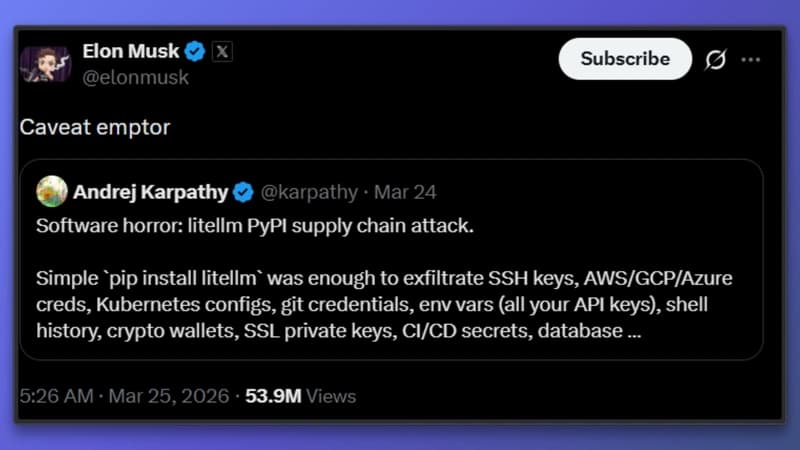
The LiteLLM Supply Chain Attack: A Wake-Up Call for AI Infrastructure
Dev.to


