Unlocking the Power of Generative AI in Legal Services
As legal professionals navigate the complexities of corporate law, the integration of technology, specifically Generative AI for Legal Operations, is becoming essential. This technology not only aids in automating routine tasks but also enhances case management, legal research, and compliance monitoring—allowing teams to focus more on strategic legal advice.

To delve deeper, check out Generative AI for Legal Operations.
What is Generative AI?
Generative AI refers to algorithms that can generate original content, whether in the form of text, images, or other data formats. In the legal sector, this technology can be leveraged to draft legal briefs, summarize case precedents, and analyze contractual obligations efficiently. Key applications include:
- Document Automation: Quickly drafting contracts and legal documents based on predefined criteria.
- E-Discovery: Streamlining the electronic discovery process with AI-driven data classification and analysis.
- Legal Research: Providing insights into case law and relevant regulations based on input parameters.
Benefits of Generative AI in Legal Operations
Implementing Generative AI for Legal Operations brings several advantages:
- Increased Efficiency: Automating repetitive tasks cuts down billable hours spent on menial work.
- Cost Reduction: By minimizing manual processes, firms can reduce the overall cost of legal services, making them more accessible to clients.
- Enhanced Accuracy: AI reduces human error in document generation and analysis, ensuring compliance with evolving regulations.
Moreover, firms like Baker McKenzie are at the forefront of adopting these technologies to enhance their service offerings.
Challenges and Considerations
Despite its advantages, the rollout of Generative AI comes with challenges:
- Data Security: Legal data is sensitive, and ensuring confidentiality while using AI tools is paramount.
- Technology Integration: Firms often operate various platforms; ensuring that all systems communicate effectively can be difficult.
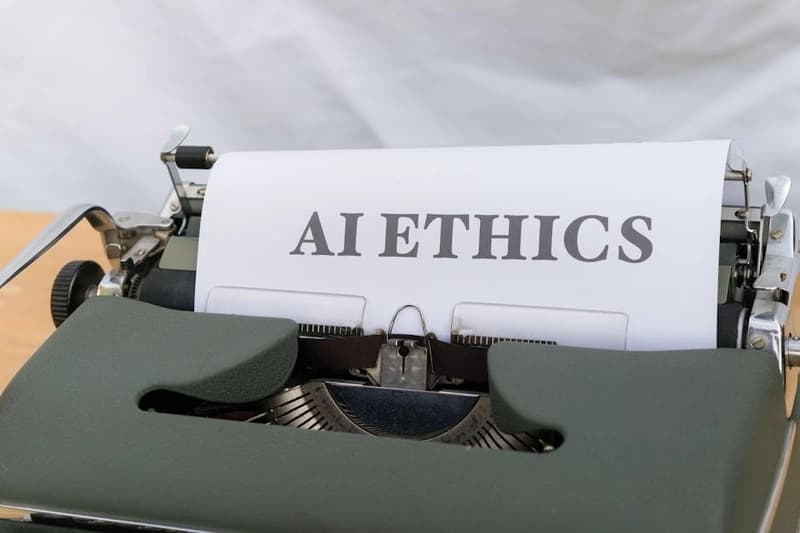
- Ethical Implications: There are ongoing discussions regarding the ethical use of AI in making critical legal decisions.
For firms seeking to improve their AI capabilities, exploring AI solution development might be a worthwhile venture.
Conclusion
In conclusion, Generative AI for Legal Operations represents a transformative opportunity for legal services, allowing practitioners to overcome workload challenges and enhance client service. As firms continue to explore this technology, it may also influence sectors such as retail, where Generative AI for Online Retail is reshaping customer interactions and impacts.