
Guardrails in Logit Space: Safety Token Regularization for LLM Alignment
arXiv cs.LG / 4/21/2026
📰 NewsDeveloper Stack & InfrastructureIdeas & Deep AnalysisModels & Research
Key Points
- The paper argues that fine-tuning LLMs on new domains can degrade safety alignment even when the fine-tuning data is benign.
- It proposes Safety Token Regularization (STR), which constrains logits for salient tokens identified from rejection templates of a well-aligned model to preserve critical safety behaviors during training.
- STR is positioned as a lightweight alternative to reinforcement learning or preference optimization methods, requiring minimal extra computation and integrating smoothly with parameter-efficient tuning like LoRA.
- Experiments report that STR matches state-of-the-art safety performance while maintaining task utility, and it also improves training stability and overall performance.
- The authors present STR as a practical, deployable approach for continual safety alignment of fine-tuned LLMs over time.
Related Articles
A practical guide to getting comfortable with AI coding tools
Dev.to

Every time a new model comes out, the old one is obsolete of course
Reddit r/LocalLLaMA
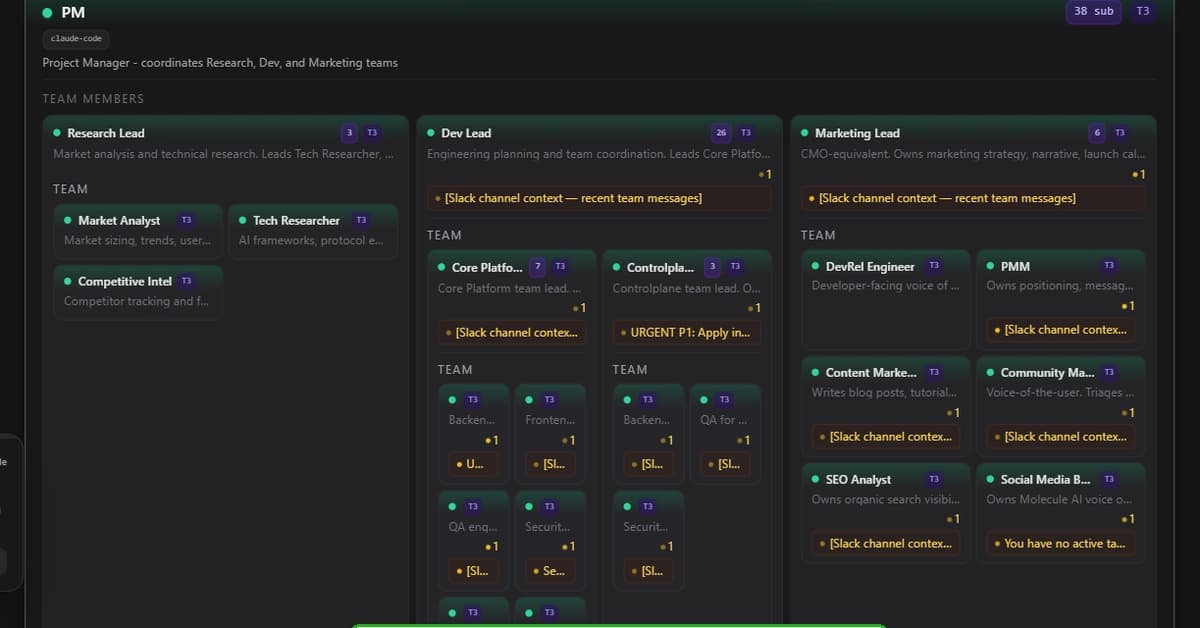
We built it during the NVIDIA DGX Spark Full-Stack AI Hackathon — and it ended up winning 1st place overall 🏆
Dev.to

Stop Losing Progress: Setting Up a Pro Jupyter Workflow in VS Code (No More Colab Timeouts!)
Dev.to
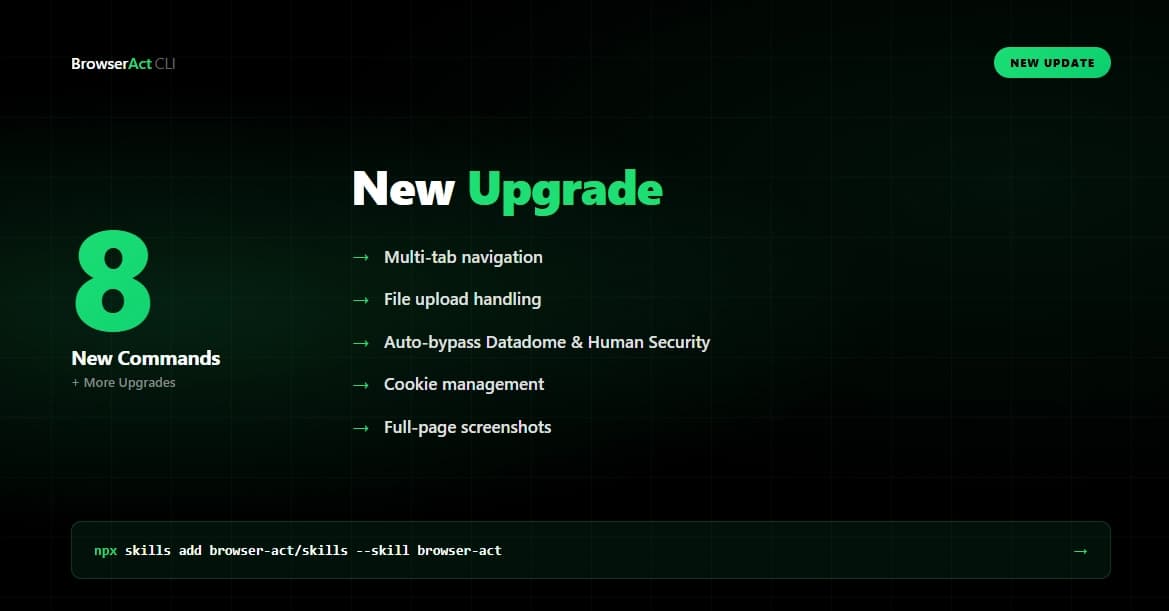
🚀 Major BrowserAct CLI Update
Dev.to


