
Neuro-Symbolic Resolution of Recommendation Conflicts in Multimorbidity Clinical Guidelines
arXiv cs.CL / 4/21/2026
📰 NewsDeveloper Stack & InfrastructureIdeas & Deep AnalysisModels & Research
Key Points
- The paper argues that fragmented and logically contradictory clinical guidelines become especially harmful for multimorbidity cases, creating clinician confusion and injecting “catastrophic noise” into AI systems like standard RAG that can hallucinate.
- It proposes a neuro-symbolic pipeline that converts unstructured clinical recommendations into formal symbolic logic via a multi-agent system, then verifies redundancies and conflicts using a SAT (satisfiability) solver.
- The authors build a hierarchical taxonomy of rule interactions and find that most detected issues fall into a “Local Conflict” category caused by interactions between comorbidities.
- In evaluations on 12 authoritative SGLT2 inhibitor guideline documents, 90.6% of conflicts are classified as Local, while single-disease-focused guideline logic does not adequately address this structure.
- The approach outperforms LLM baselines for conflict detection, achieving an F1 score of 0.861, and emphasizes that logical verification should occur before retrieval as a new standard for medical knowledge coordination in AI.
💡 Insights using this article
This article is featured in our daily AI news digest — key takeaways and action items at a glance.
Related Articles

Rethinking Coding Education for the AI Era
Dev.to

We Shipped an MVP With Vibe-Coding. Here's What Nobody Tells You About the Aftermath
Dev.to

Agent Package Manager (APM): A DevOps Guide to Reproducible AI Agents
Dev.to
3 Things I Learned Benchmarking Claude, GPT-4o, and Gemini on Real Dev Work
Dev.to
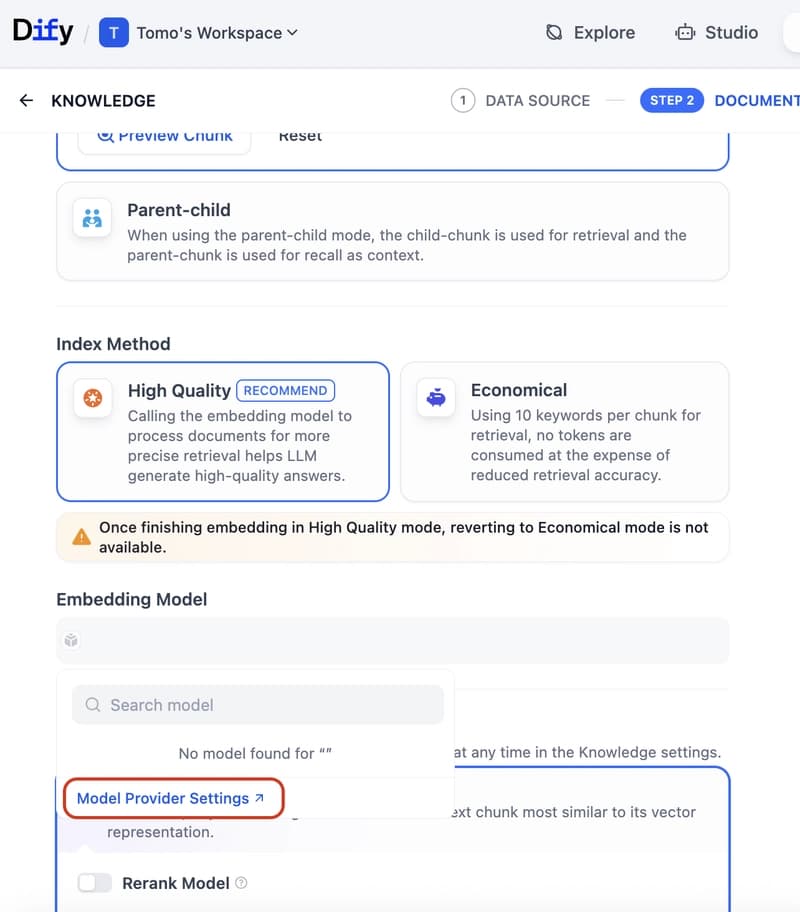
Dify Now Supports IRIS as a Vector Store — Setup Guide
Dev.to


