
Rethinking the Diffusion Model from a Langevin Perspective
arXiv cs.LG / 4/14/2026
💬 OpinionIdeas & Deep AnalysisModels & Research
Key Points
- The paper proposes a new Langevin-based way to understand diffusion models, aiming to provide a simpler and more intuitive explanation of how the reverse process generates data from noise.
- It systematically addresses core conceptual questions, including how SDE-based and ODE-based diffusion formulations can be unified under a single framework.
- The work compares diffusion models with related approaches, arguing why diffusion models can be theoretically superior to standard VAEs and clarifying the relationship among score matching, denoising, and flow matching.
- It claims that flow matching is not fundamentally easier than denoising/score matching, but becomes equivalent under a maximum-likelihood view.
- By showing how multiple diffusion interpretations can be converted into one another within one common Langevin perspective, the paper offers pedagogical value for both beginners and experienced researchers.
Related Articles
ChatGPT for Nurses: Prompts That Help You Document, Communicate, and Study
Dev.to
I Added a Stopwatch to My AI in 1 LOC Using the Livingrimoire While Corporations Need a Year
Dev.to
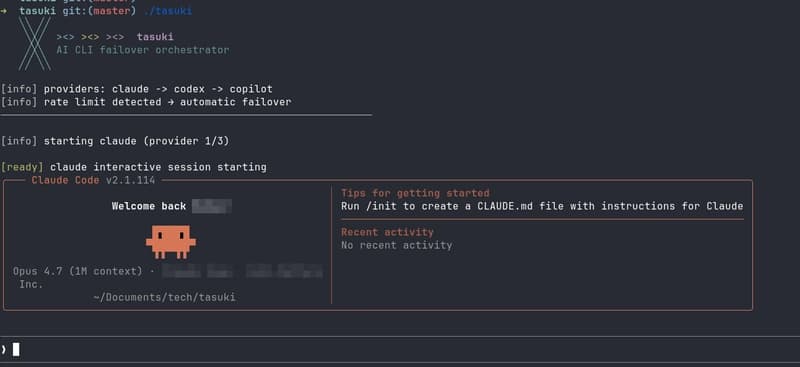
Built tasuki — an AI CLI Orchestrator that Seamlessly Hands Off Between Tools
Dev.to

I built a GNOME extension for Codex with local/remote history, live filters, Markdown export, and a read-only MCP server
Reddit r/artificial
I Built an Open‑ Source OS for AI Agents – And It’s Ready for You
Dev.to


