
RAG-Based Testing Series — Part 3: Faithfulness & Hallucination Detection
Dev.to / 6/11/2026
💬 OpinionDeveloper Stack & InfrastructureTools & Practical UsageModels & Research
Key Points
- The article explains that even with a “perfect” retriever (high Precision@K, Recall@K, and MRR), a RAG system can still produce incorrect answers because the LLM may ignore or misuse the retrieved context.
- It describes hallucination as a generation-layer issue rather than a retrieval-layer one, highlighting that the model can either disregard context, partially use it while inventing missing parts, or directly contradict the provided documents.
- It distinguishes two types of hallucination in RAG systems: intrinsic hallucination, where the LLM output directly contradicts the retrieved context, and extrinsic hallucination, where the LLM invents information not present in the retrieved context at all.
- The piece positions “faithfulness & hallucination detection” as a separate testing strategy from retrieval-quality testing, motivated by real-world production failures that retrieval-focused tests won’t catch.
Continue reading this article on the original site.
Read original →Related Articles

Black Hat USA
AI Business
langchain-core==1.4.5
LangChain Releases

API Spend Caps, React DoS Patch, and Deno 2.6/2.8: What Senior Engineers Need to Act On This Week
Dev.to

HomeVision Studio — AI Interior Redesign for Any Room
Dev.to
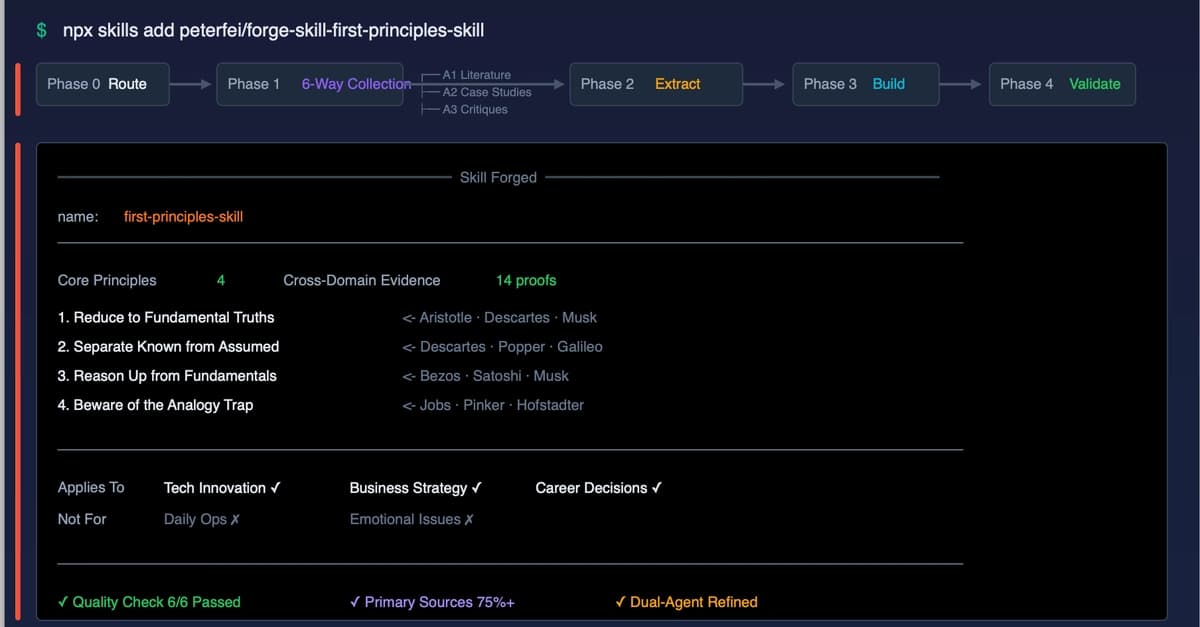
I Turned 12 Classic Thinking Frameworks into AI Skills — One Command, Structured Reasoning
Dev.to


