
'The Order in the Horse's Heart': A Case Study in LLM-Assisted Stylometry for the Discovery of Biblical Allusion in Modern Literary Fiction
arXiv cs.CL / 4/22/2026
💬 OpinionDeveloper Stack & InfrastructureIdeas & Deep AnalysisModels & Research
Key Points
- The paper proposes a dual-track LLM-assisted stylometry pipeline to detect biblical allusions in modern literary fiction, demonstrated on Cormac McCarthy’s novels.
- A bottom-up track finds rare shared vocabulary with the King James Bible using an inverse-document-frequency embedding approach, then uses cascaded LLM review for candidate passage pair sense disambiguation.
- A top-down track uses an LLM to assess McCarthy’s prose for biblical register or content similarity without relying on specific word/phrase cues, aiming to catch more subtle allusions.
- The pipeline is cross-validated with a long-context model that processes entire novels alongside the KJV, and results are verified against existing scholarship, yielding 349 detected allusions and 62 recovered from 115 previously documented cases.
- The authors frame the work as showing the statistical value-add of LLMs when paired with mechanical text similarity methods, enabling large-scale computational study of intertextuality across massive corpora.
Related Articles
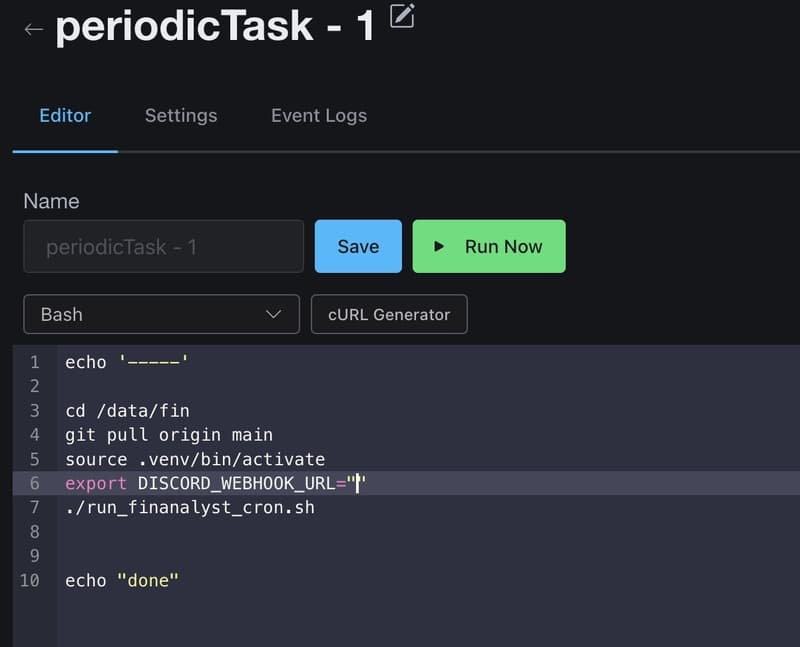
How I Use GitHub Copilot + RapidForge to Generate Daily Stock Ideas
Dev.to

Big Tech firms are accelerating AI investments and integration, while regulators and companies focus on safety and responsible adoption.
Dev.to
Anthropic CVP Run 3 — Does Claude's Safety Stack Scale Down to Haiku 4.5?
Dev.to
Mend.io Releases AI Security Governance Framework Covering Asset Inventory, Risk Tiering, AI Supply Chain Security, and Maturity Model
MarkTechPost
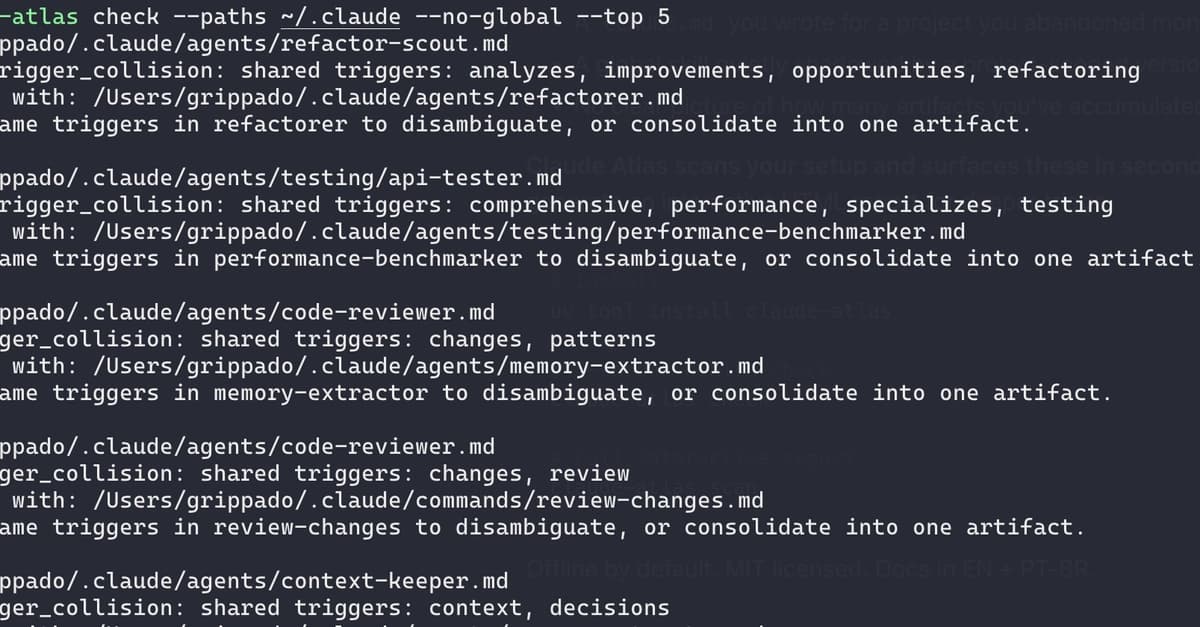
I audited my own Claude Code setup and found 21 issues in 72 artifacts
Dev.to


