
Generating Place-Based Compromises Between Two Points of View
arXiv cs.CL / 4/28/2026
📰 NewsIdeas & Deep AnalysisModels & Research
Key Points
- The paper addresses how LLMs can produce socially acceptable compromises by aiming for empathically neutral synthesis between two opposing viewpoints.
- It benchmarks four prompt-engineering approaches on Claude 3 Opus using a dataset of 2,400 contrasting views tied to shared places.
- A subset of generated compromises was assessed for acceptability with a 50-participant study, showing that using external empathic similarity as iterative feedback performs better than standard Chain-of-Thought prompting.
- The authors then use the generated compromise data to train two smaller foundation models via margin-based alignment with human preferences, improving efficiency and avoiding the need for explicit empathy estimation at inference time.
Related Articles

Big Tech firms are accelerating AI investments and integration, while regulators and companies focus on safety and responsible adoption.
Dev.to
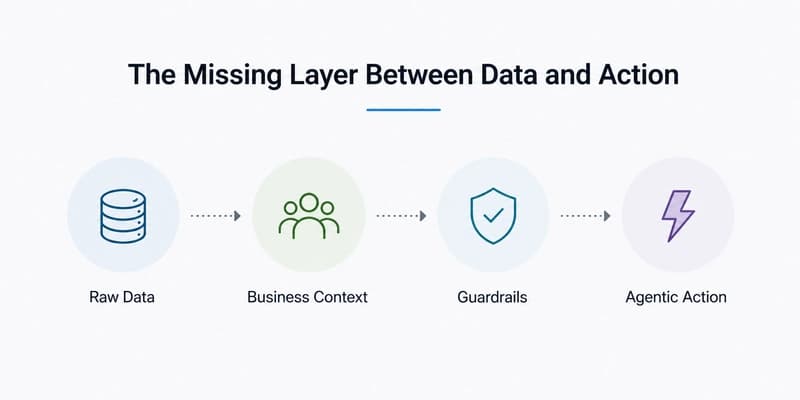
Everyone Wants AI Agents. Fewer Teams Are Ready for the Messy Business Context Behind Them
Dev.to
AI 编程工具对比 2026:Claude Code vs Cursor vs Gemini CLI vs Codex
Dev.to

How I Improved My YouTube Shorts and Podcast Audio Workflow with AI Tools
Dev.to

An improvement of the convergence proof of the ADAM-Optimizer
Dev.to


