
REAM: Merging Improves Pruning of Experts in LLMs
arXiv cs.AI / 4/7/2026
💬 OpinionSignals & Early TrendsIdeas & Deep AnalysisModels & Research
Key Points
- 本論文は、Mixture-of-Experts(MoE)LLMに対するメモリ削減手法として、ルータに基づく専門家(エキスパート)削除(REAP)ではなく統合(REAM)を行う新手法Router-weighted Expert Activation Mergingを提案している。
- REAMは削除ではなくエキスパートをグルーピングして重みをマージすることで、圧縮による性能劣化をより抑えることを狙っている。
- 複数のMoE LLMで、複数選択式(MC)と生成(GEN)のベンチマークに対してREAPや他のベースラインと比較し、MCとGENの性能トレードオフが観測されることを示す。
- トレードオフはキャリブレーションデータの「一般・数学・コーディング」比率に依存し、その混合比を調整してPareto frontierを分析した結果、REAMはベースラインを上回り、場合によっては元の非圧縮モデルに近い性能を示すと報告されている。
Related Articles

Black Hat Asia
AI Business
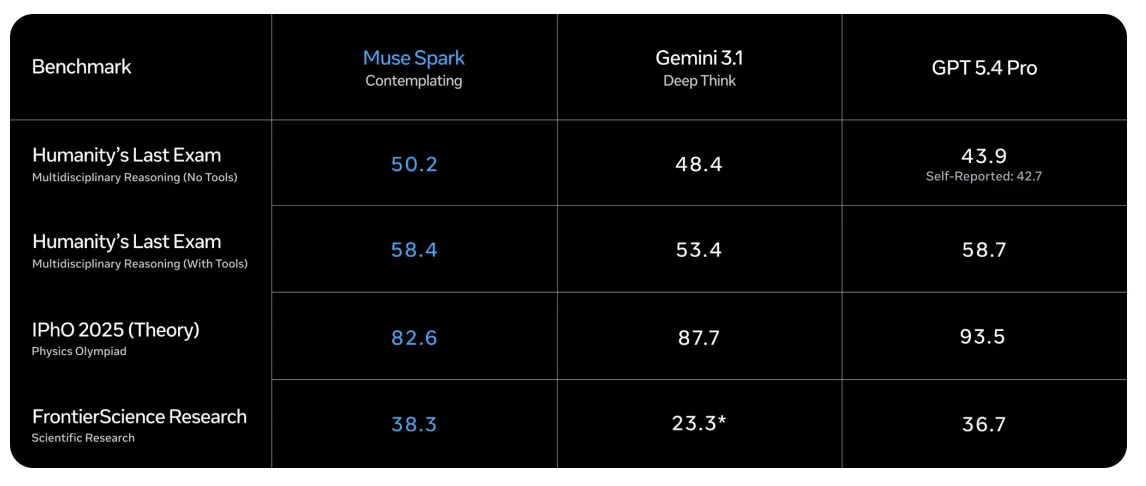
Meta Superintelligence Lab Releases Muse Spark: A Multimodal Reasoning Model With Thought Compression and Parallel Agents
MarkTechPost

Chatbots are great at manipulating people to buy stuff, Princeton boffins find
The Register
I tested and ranked every ai companion app I tried and here's my honest breakdown
Reddit r/artificial

Big Tech firms are accelerating AI investments and integration, while regulators and companies focus on safety and responsible adoption.
Dev.to


