
Position: Logical Soundness is not a Reliable Criterion for Neurosymbolic Fact-Checking with LLMs
arXiv cs.CL / 4/7/2026
💬 OpinionIdeas & Deep AnalysisModels & Research
Key Points
- The paper argues that neurosymbolic fact-checking methods that translate claims into logical formulas and then test for logical soundness can systematically miss misleading statements.
- It explains that logically sound conclusions may still prompt human-acceptable inferences that are not actually supported by the verified premises, due to divergences between formal entailment and human reasoning.
- Drawing on cognitive science and pragmatics, the authors provide a typology of scenarios where formal validity does not correspond to what humans infer and trust.
- The paper advocates a complementary strategy: using LLMs to test formal-component outputs against potentially misleading conclusions, treating human-like reasoning as an advantage rather than relying solely on soundness.
Related Articles

Human-Aligned Decision Transformers for satellite anomaly response operations with ethical auditability baked in
Dev.to

That Smoking-Gun Video? It's Not Evidence. It's a Suspect.
Dev.to
AI Citation Registries and Website-Based Publishing Constraints
Dev.to
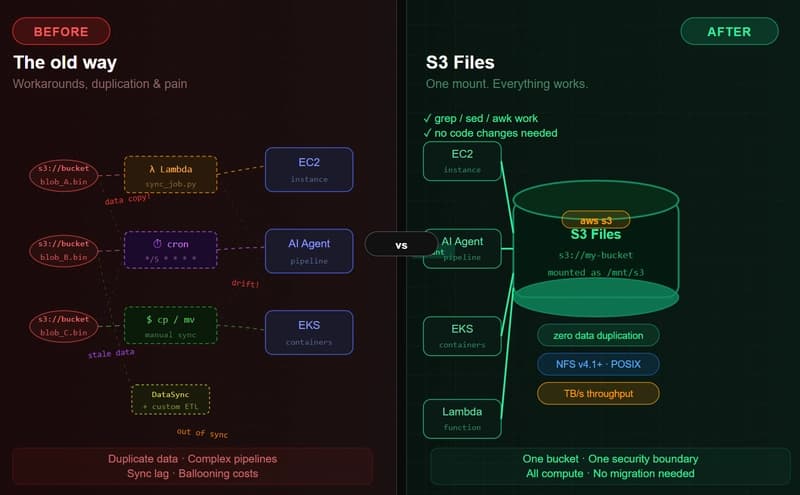
Amazon S3 Files: The End of the Object vs. File War (And Why It Matters in the AI Agent Era)
Dev.to

大模型价格战2025:谁在烧钱谁在赚?深度解析AI成本暴跌背后的生死博弈
Dev.to


