
WavAlign: Enhancing Intelligence and Expressiveness in Spoken Dialogue Models via Adaptive Hybrid Post-Training
arXiv cs.AI / 4/17/2026
📰 NewsModels & Research
Key Points
- The paper argues that end-to-end spoken dialogue models should be more expressive than cascaded systems, but many open-source models still fall short in intelligence and expressiveness.
- It identifies why directly applying preference optimization or RL to spoken dialogue is difficult, focusing on issues in reward modeling and rollout sampling.
- The authors propose “WavAlign,” a modality-aware adaptive post-training approach that makes RL practical for spoken dialogue by separating updates for semantics and improving acoustics.
- WavAlign constrains preference updates to the semantic channel, uses explicit anchoring to refine acoustic behavior, and dynamically mixes preference updates based on rollout statistics to avoid unreliable gradients.
- Experiments across multiple spoken dialogue benchmarks and architectures show consistent gains in both semantic quality and speech expressiveness.
Related Articles

The Memory Wall Can't Be Killed — 3 Papers Proving Every Architecture Hits It
Dev.to

The Physics Wall in 2026: 3 Papers That Show Why Node Shrinks Won't Save Us
Dev.to
Most agent frameworks miss a key distinction: what a skill is vs how it executes
Reddit r/artificial
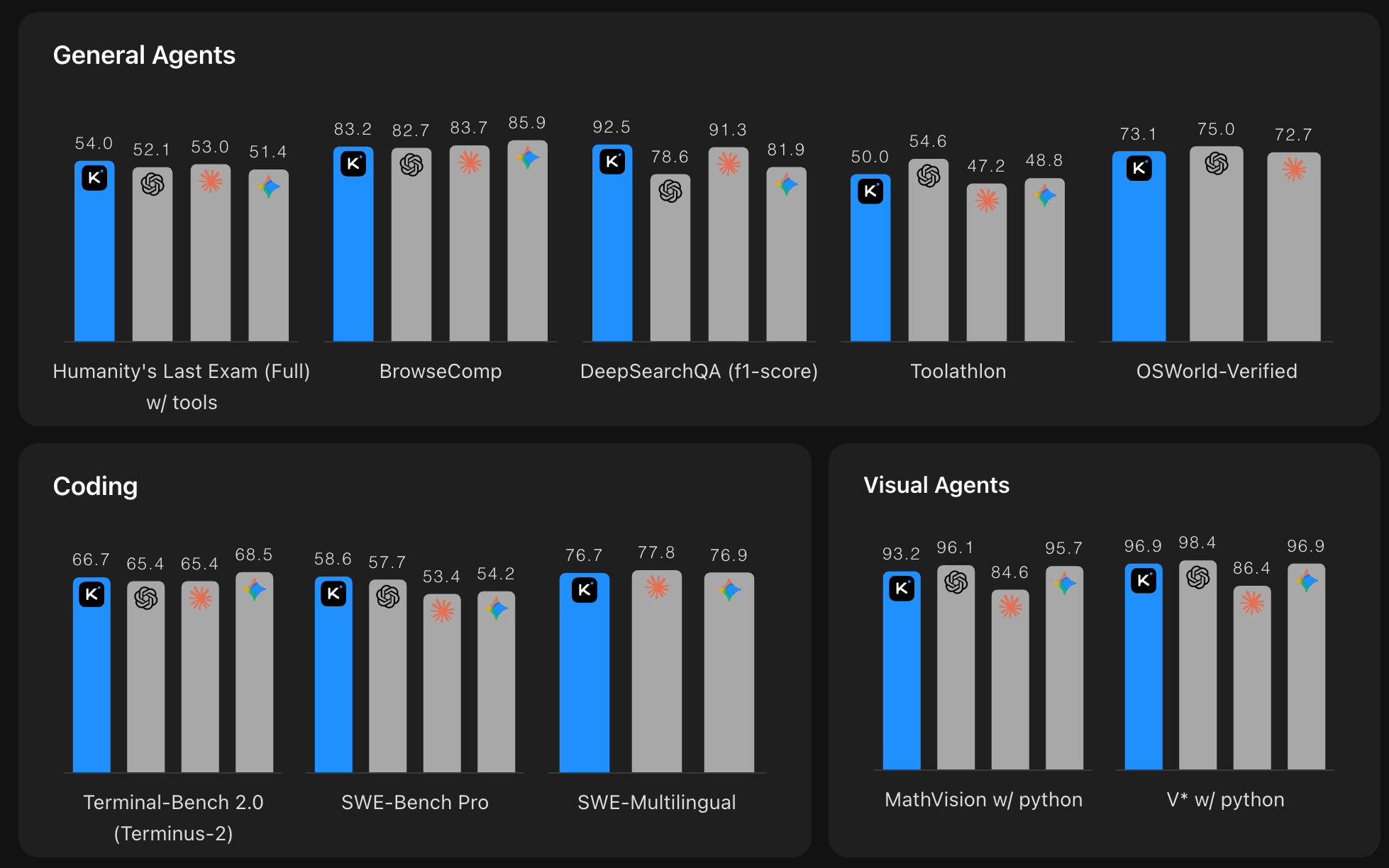
Moonshot AI Releases Kimi K2.6 with Long-Horizon Coding, Agent Swarm Scaling to 300 Sub-Agents and 4,000 Coordinated Steps
MarkTechPost

PrismML — Introducing Ternary Bonsai: Top Intelligence at 1.58 Bits
Reddit r/LocalLLaMA


