
TADI: Tool-Augmented Drilling Intelligence via Agentic LLM Orchestration over Heterogeneous Wellsite Data
arXiv cs.AI / 5/4/2026
📰 NewsDeveloper Stack & InfrastructureSignals & Early TrendsTools & Practical UsageModels & Research
Key Points
- TADI is an agentic, tool-augmented LLM system that converts drilling operational data into evidence-based analytical intelligence using multi-step tool orchestration.
- In the Equinor Volve Field case, it ingests 1,759 daily drilling reports, real-time WITSML objects, 15,634 production records, formation tops, and perforations, and indexes them across DuckDB (structured) and ChromaDB (semantic).
- Twelve domain-specialized tools are coordinated by a large language model through iterative function calling to gather and cross-reference evidence between structured measurements and DDR narrative text.
- The system reportedly parses all DDR XML files with zero errors, supports three incompatible well-naming conventions, and is validated by 95 automated tests plus a 130-question stress taxonomy.
- TADI introduces an Evidence Grounding Score (EGS) to estimate grounding compliance by checking measurements, quoted DDR attribution, and required answer sections, and concludes that tool design drives analytical quality as much as or more than model size.
Related Articles

Black Hat USA
AI Business
A very basic litmus test for LLMs "ok give me a python program that reads my c: and put names and folders in a sorted list from biggest to small"
Reddit r/LocalLLaMA
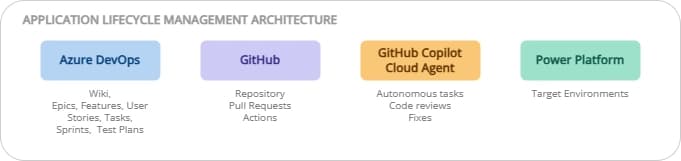
ALM on Power Platform: ADO + GitHub, the best of both worlds
Dev.to

Iron Will, Iron Problems: Kiwi-chan's Mining Misadventures! 🥝⛏️
Dev.to
Experiment: Does repeated usage influence ChatGPT 5.4 outputs in a RAG-like setup?
Dev.to


