
Topology-Aware Layer Pruning for Large Vision-Language Models
arXiv cs.CV / 4/21/2026
📰 NewsDeveloper Stack & InfrastructureModels & Research
Key Points
- The paper introduces a topology-aware layer pruning framework for large vision-language models (LVLMs) to reduce computational and memory costs for deployment in resource-constrained settings.
- It models the evolution of layer-wise hidden states as point clouds and uses simplicial complexes with zigzag persistent homology to measure inter-layer topological consistency.
- The approach enables adaptive pruning that aims to keep transition-critical layers, addressing a key weakness of prior pruning methods that rely on local similarity or static proxy signals.
- Experiments across multiple multimodal benchmarks show the method outperforms existing pruning baselines across a broad range of sparsity ratios.
- The authors provide an open-source implementation at the linked GitHub repository.
Related Articles

A practical guide to getting comfortable with AI coding tools
Dev.to
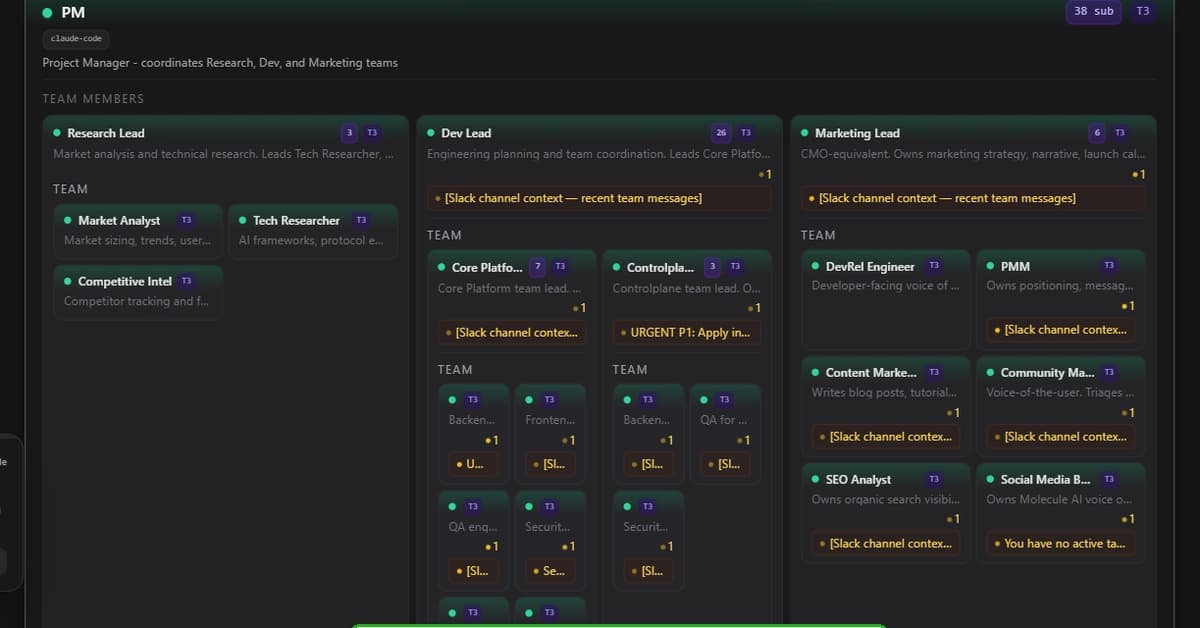
We built it during the NVIDIA DGX Spark Full-Stack AI Hackathon — and it ended up winning 1st place overall 🏆
Dev.to

Stop Losing Progress: Setting Up a Pro Jupyter Workflow in VS Code (No More Colab Timeouts!)
Dev.to
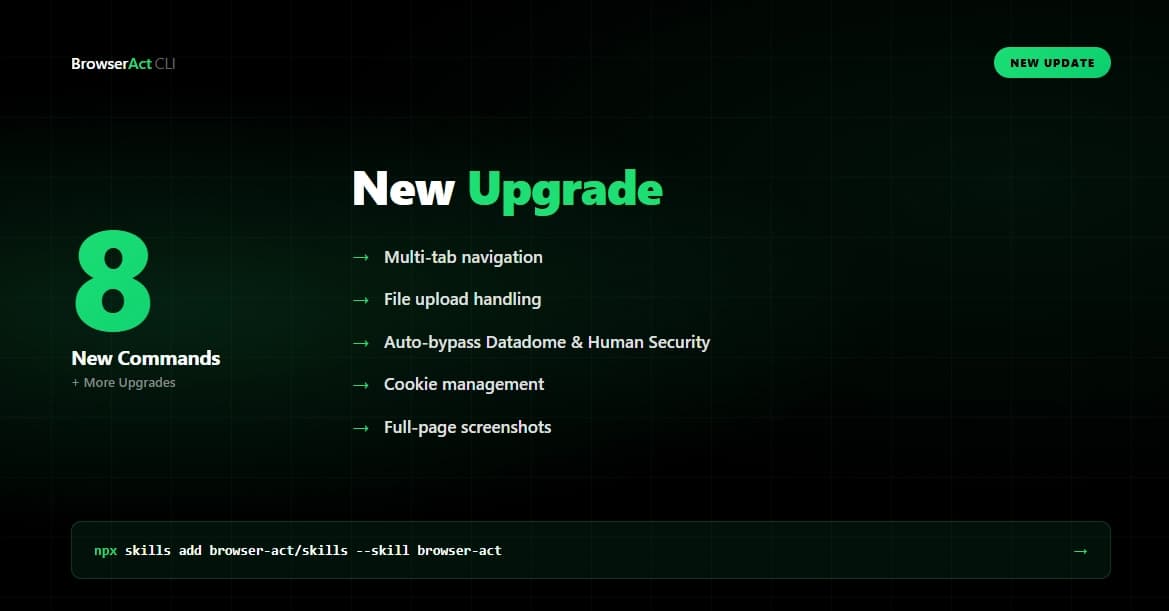
🚀 Major BrowserAct CLI Update
Dev.to

Building AgentOS: Why I’m Building the AWS Lambda for Insurance Claims
Dev.to


