
Analysis and Explainability of LLMs Via Evolutionary Methods
arXiv stat.ML / 5/6/2026
💬 OpinionIdeas & Deep AnalysisModels & Research
Key Points
- The paper proposes using evolutionary methods to analyze and explain large language models by mapping model weights to “genotypes” and generated text to “phenotypes.”
- It argues that this genotype–phenotype correspondence can reveal model lineage, identify the roles of different layers, and clarify how important datasets shape model behavior.
- In a controlled experiment, the authors show that estimated evolutionary trees can reliably recover the topology of a known ground-truth training tree.
- The study also estimates which weight layers are most important via weight differences and runs phenotypic experiments to suggest one training dataset contributes more useful information than others.
- It extends the approach to construct an unsupervised evolutionary tree of black-box foundation models, supported by visualization tools to make relationships among LLMs easier to understand.
Related Articles

Top 10 Free AI Tools for Students in 2026: The Ultimate Study Guide
Dev.to

AI as Your Contingency Co-Pilot: Automating Wedding Day 'What-Ifs'
Dev.to
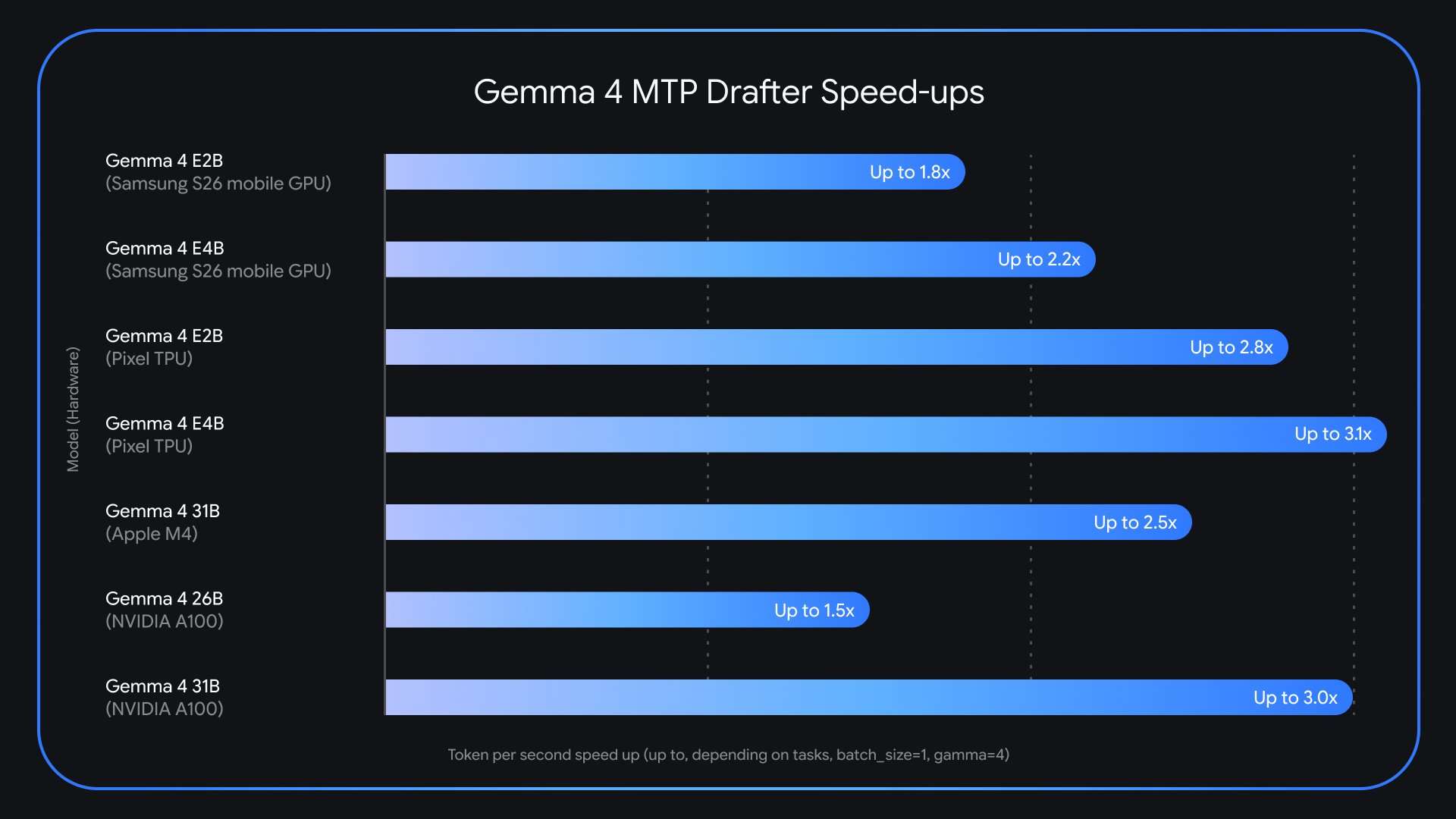
Google AI Releases Multi-Token Prediction (MTP) Drafters for Gemma 4: Delivering Up to 3x Faster Inference Without Quality Loss
MarkTechPost
When Claude Hallucinates in Court: The Latham & Watkins Incident and What It Means for Attorney Liability
MarkTechPost
Solidity LM surpasses Opus
Reddit r/LocalLLaMA


