
Vibe Medicine: Redefining Biomedical Research Through Human-AI Co-Work
arXiv cs.AI / 4/28/2026
📰 NewsDeveloper Stack & InfrastructureIdeas & Deep AnalysisModels & Research
Key Points
- The paper proposes “Vibe Medicine,” a human-AI co-work paradigm where clinicians and researchers use natural language to direct AI agents that execute complex, multi-step biomedical workflows.
- It builds on “Vibe Coding” and aims to reduce barriers faced by independent researchers and low-resource areas by augmenting specialized expertise with AI agents.
- The system architecture is described as three layers—capable LLMs, agent frameworks (e.g., OpenClaw and Hermes Agent), and an OpenClaw medical skills collection with 1,000+ curated skills across open-source repositories.
- The authors analyze the medical skill collection across 10 biomedical domains and provide case studies in rare disease diagnosis, drug repurposing, and clinical trial design, demonstrating end-to-end execution.
- Key risks are identified, including hallucinations, data privacy concerns, and over-reliance, along with future directions for more reliable, trustworthy, and clinically integrated agent-assisted research.
Related Articles
LLMs will be a commodity
Reddit r/artificial
Indian Developers: How to Build AI Side Income with $0 Capital in 2026
Dev.to

What it feels like to have to have Qwen 3.6 or Gemma 4 running locally
Reddit r/LocalLLaMA
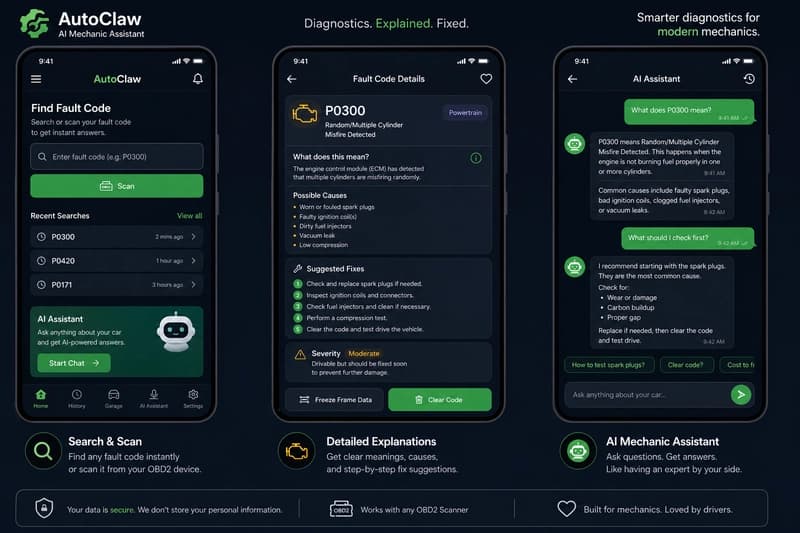
From Fault Codes to Smart Fixes: How Google Cloud NEXT ’26 Inspired My AI Mechanic Assistant
Dev.to

Dex lands $5.3M to grow its AI-driven talent matching platform
Tech.eu


